

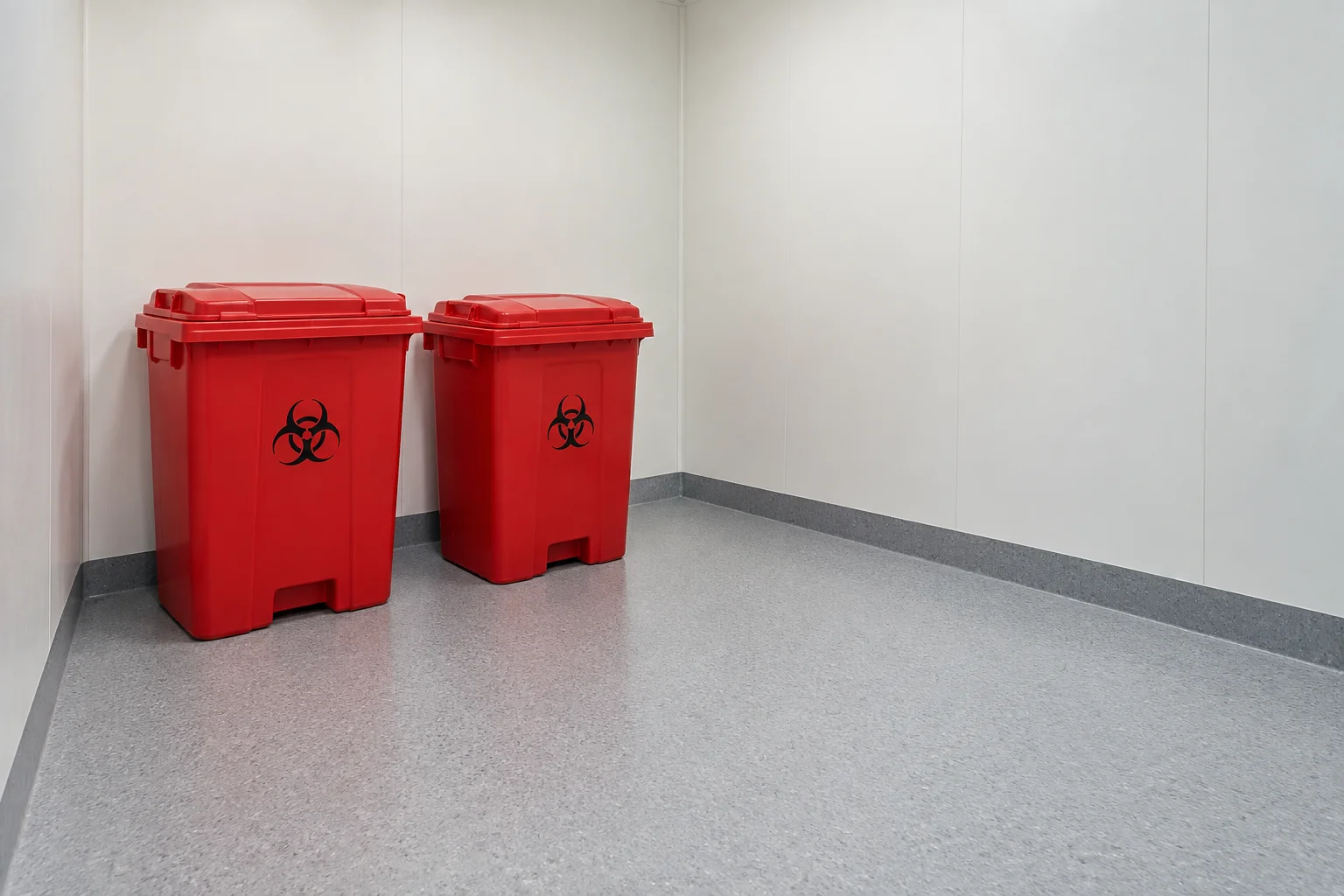
Climate change does not discriminate as it tarnishes our world, leaving no sector immune. One of the areas significantly impacted is waste management. The escalating incidence of extreme weather occurrences - from hurricanes and floods to heat waves and droughts- has compromised waste collection and disposal processes. Let's not overlook the perils this poses to our waste management workers.
In This Article
Unmasking the Looming Threat of Climate Change to Waste Management
Climate change also reshapes the composition of waste. For instance, heatwaves escalate the amount of food waste, and surging sea levels usher more marine debris onto shorelines. These shifts give prominence to new challenges, making waste management more grueling and costly, thus presenting considerable risks to public health and the environment.
The Unraveling Effects of Extreme Weather Phenomena
Extreme weather events instigated by climate change significantly threaten waste management infrastructure. These events can severely damage landfills and incinerators, inflicting cracks in the already demanding waste management process. Additionally, these climatic episodes intensify the hazards faced by waste management personnel during the disposal and transportation of waste.
The Fluctuating Profile of Waste
The surge in heatwaves has direct implications for the increase in food waste, while augmented sea levels, boosted by climate change, see a mounting volume of marine debris on our coasts. The upshot is an evolving waste profile demanding more intricate and sophisticated disposal strategies.
Health Hazards and Environmental Impacts
The aftermath of disrupted waste collection and disposal is hazardous—the potential for disease transmission skyrockets, specifically in territories battered by severe weather events. Furthermore, improperly disposed waste contaminates air, water, and soil, inducing a damaging cycle that amplifies climate change impacts and poses grave repercussions for public health and our environment.
Remedial Steps to Counter the Impact
We are far from powerless and can take definitive steps to reduce the impacts of climate change on waste management:
Resilient Infrastructure
Invest in durable waste management infrastructure designed to withstand extreme weather onslaughts. An essential facet here is to ensure our disposal and recycling facilities are prepared to stand up to the worst scenarios predicted by climate change.
Waste Reduction Strategies
Proactive waste reduction, adopting reuse practices, and boosting recycling operations can play a monumental role in curbing the adverse effects on waste management. After all, managing less waste means less strain on our systems.
Enhanced Collection and Disposal Techniques
As we wrestle with the multi-pronged challenge of climate change, enhancing waste collection and disposal techniques is paramount. It encompasses adopting modern technologies and exhaustive staff training about the safest and most environmentally-conscious practices.
In conclusion, it's time to take climate change seriously and acknowledge its profound impact on waste management. Investing in resilient waste management infrastructure, reducing waste generation, and upgrading waste disposal efforts can safeguard public health, shield our environment, and secure economic vitality.
Ringing in Change with MedPro Disposal
From bearing the brunt of climate change to tackling waste management hassles, your organization's journey to sustainable operations may seem daunting. That's where MedPro Disposal steps in - transforming not just how you handle waste but how you view it.
Dedicated to offeringeco-friendly waste management solutions that can withstand climate change, we leverage our expertise to help you cut down waste generation, maximize recycling, and optimize disposal techniques. Our comprehensive training equips your workforce with safety ethics, environmental stewardship, and processes to manage waste efficiently, regardless of size.
Partner with MedPro Disposal today and embrace our comprehensive and sustainable waste management strategies.
Our collective effort can usher in a new chapter of environmental consciousness. The journey to better waste management begins here. It starts with the MedPro Disposal.
Common Questions
- What counts as medical waste?
- Medical waste is any waste generated during the diagnosis, treatment, or immunization of humans or animals that may be contaminated with blood, body fluids, or other infectious material — including sharps, blood-soaked dressings, cultures, and pathological tissue. Non-contaminated items like standard packaging are not regulated medical waste.
- How much does medical waste disposal cost?
- Cost depends on waste volume, pickup frequency, container size, waste type, and location. Most practices pay a flat monthly or per-pickup rate rather than being billed per pound. Typical monthly costs range from about $50-$200 for small practices and dental offices up to $1,000+ for long-term care facilities, with hospitals and large health systems running $1,000-$50,000+ per month — see our full pricing breakdown by facility type. MedPro customers also save an average of 30% by switching from their previous provider.
- Is medical waste disposal legally required?
- Yes. Any facility generating regulated medical waste must comply with OSHA's Bloodborne Pathogens Standard, applicable EPA/DOT rules, and their state's specific medical waste regulations, which vary by state.
- What's the difference between medical waste and biohazard waste?
- Biohazard waste is a subset of medical waste. Medical waste is the broad category (including sharps and pharmaceuticals); biohazard waste specifically refers to material containing or potentially containing infectious agents.
Want more like this in your Google results?
Add MedPro as a preferred source on Google