

When medications expire, or they’re simply not needed anymore, people often just throw them into the garbage. This is actually not the correct way to dispose of old medications and in some states it may be illegal!
In This Article
Basically, improperly disposing of medications can be dangerous because of water pollution and, especially if you have controlled substances, medication diversion.
How Bad Is Medication Pollution?
The Guardian reported
in 2014 that scientists are finding tremendous amounts of pharmaceuticals in our local waterways.
Now, a lot of this pollution is from manufacturing and farming, but flushing unused medications also plays a part.
These chemicals are devastating the fish and other aquatic animals in these rivers, lakes and ponds. The Guardian paper I mentioned above also says that the female hormone estrogen is causing male fish to become feminized to the point that they start producing eggs themselves!
The lack of male fish in the waterways can cause large scale population decreases, because potential mates for the female fish are very low.
The United States Geological Survey reported that they found fairly large amounts of anti-depressants in fish brains downstream from a manufacturing plant. While the amounts are harmful to humans, they do change the fish’s behavior and make them less likely to eat, more aggressive, and antisocial.
The point is – any number of pharmaceuticals in our water is harmful. Maybe not yet to humans, but as time goes on and more medications will be polluting our fish and destroying their species.
How Can I Make Sure This Doesn’t Happen?
If you want to be a responsible consumer and make sure you aren’t polluting anything there are a few things you can do at home for no cost.
First, the DEA recommends if you want to avoid drug diversion you can put coffee grounds or grease in your pill bottle and then throw them away. The idea is nobody will want to take the medication if the bottle is filled with something gross.
However, you are still tossing the meds in your garbage where they can pollute the landfill. The safest way to dispose of old medication is through a pharmaceutical mailback program.
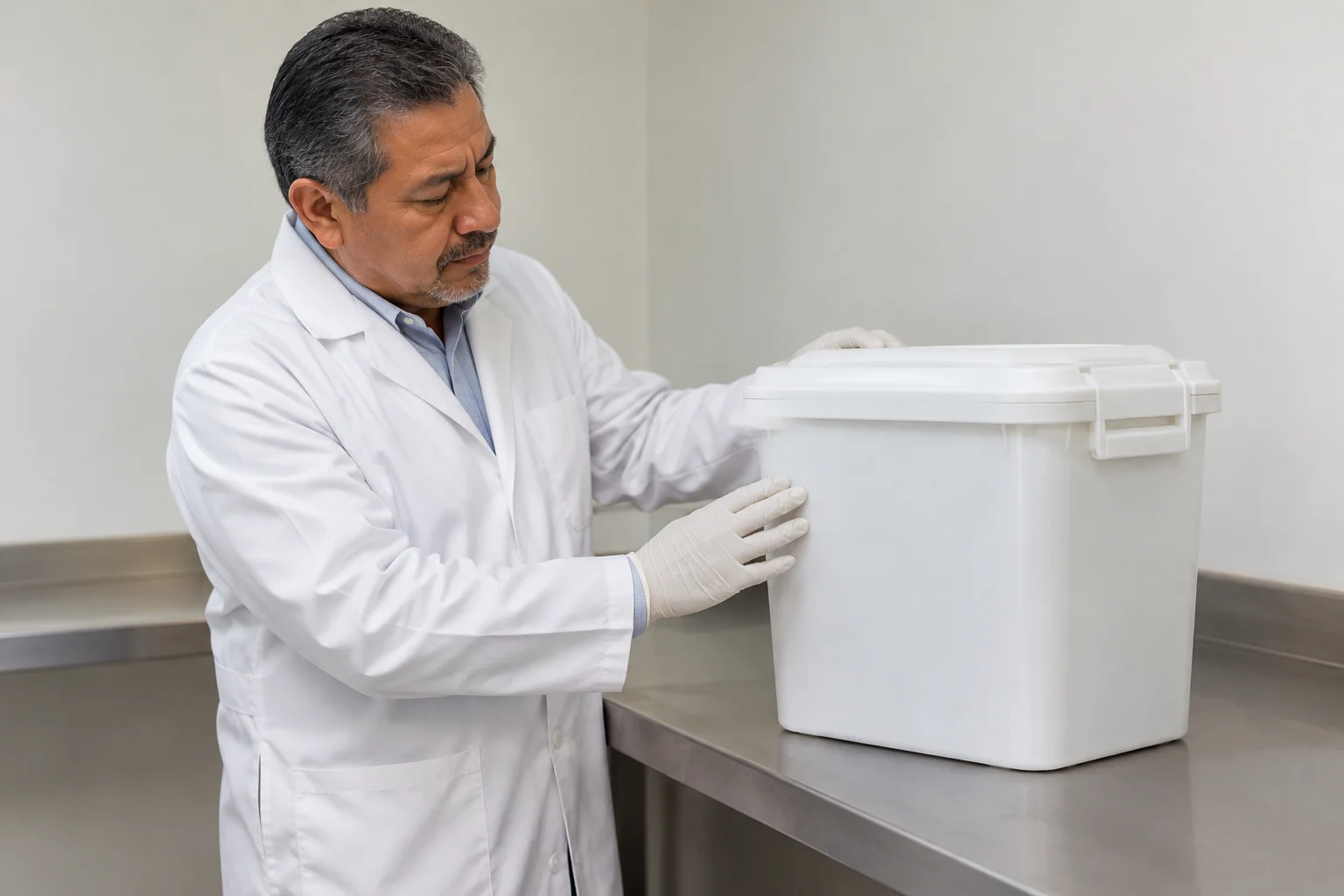
Essentially we send you a pharma bucket, a shipping box and shipping label, you fill the bucket up, and ship it back to us!
We ensure all the medication is properly disposed of, and we will give you a certificate of destruction.
If you’re interested in checking this out, go to our Pharmaceutical Mailback page!
Common Questions
- How often does medical waste need to be picked up?
- It depends on generation volume and your state's maximum on-site storage time, commonly 7–90 days. Small practices often use weekly, biweekly, or monthly service; hospitals typically need multiple pickups per week.
- Can I dispose of medical waste myself?
- In nearly every state, regulated medical waste can't go in normal trash. It must be treated by a licensed facility (autoclave or incineration) and transported by a permitted hauler. Very low-volume generators may qualify for mail-back containers instead of route pickup.
- What states does MedPro Disposal service?
- MedPro Disposal provides medical waste, sharps, and pharmaceutical waste disposal plus compliance training in 48 of the 50 U.S. states through a nationwide network of direct routes and regional hauling partners.
- How do I dispose of expired medications, including controlled substances?
- Expired or unused pharmaceuticals — including DEA Schedule II-V controlled substances — must go through a permitted reverse distributor or medical waste vendor, not regular trash or a toilet. MedPro offers pharmaceutical waste disposal and mail-back containers built for DEA/EPA-compliant disposal of both controlled and non-controlled medications.
Want more like this in your Google results?
Add MedPro as a preferred source on Google