

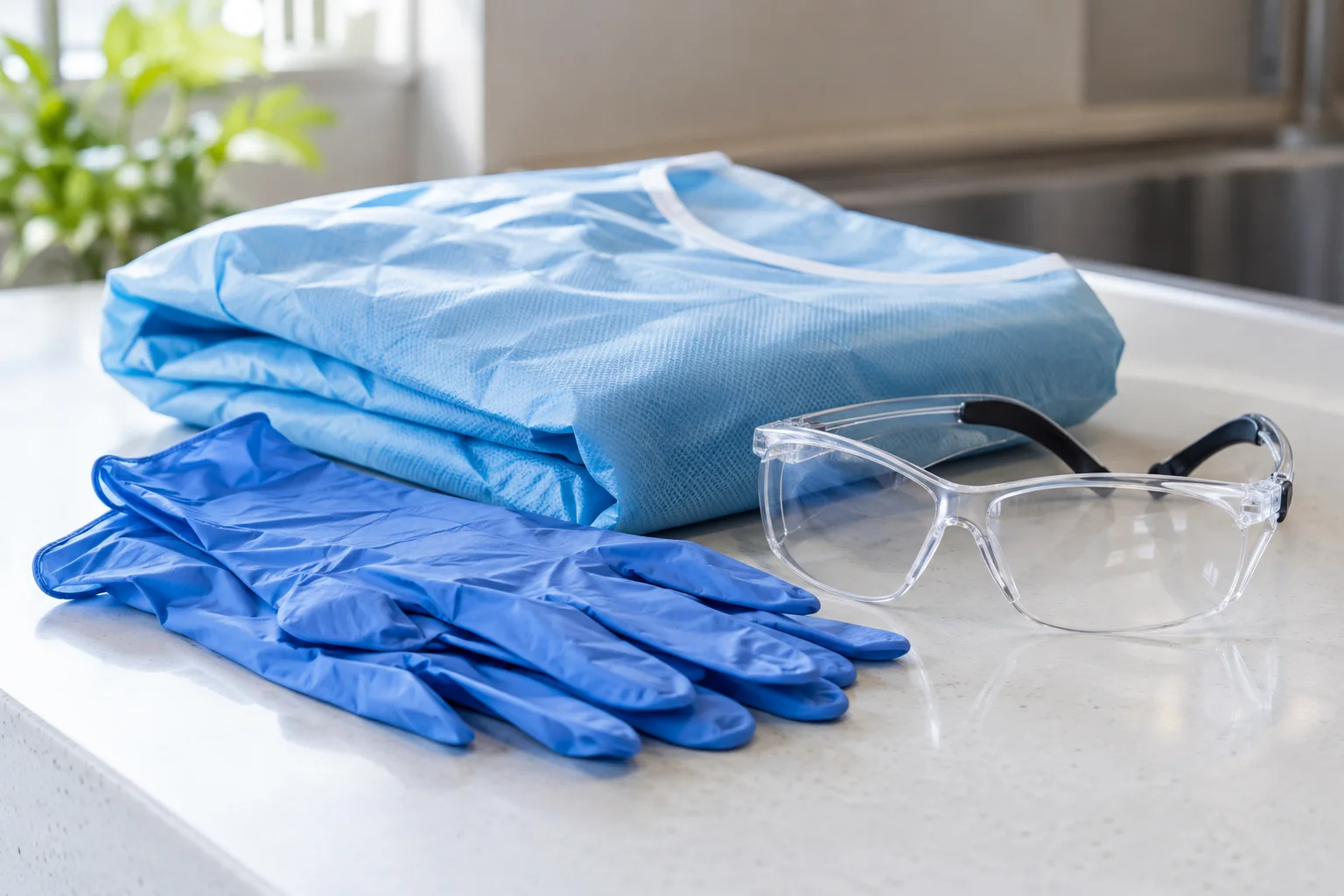
When healthcare facilities produce medical waste, it must be collected properly. This will make sure that hospitals/facilities are compliant with federal
In This Article
Collection of Waste
OSHA regulations
and various local regulations. There are specific rules of what can disposed of in these
biohazardous waste
bags. For example, if there are any sharps or needles, those would need to be collected in specific containers to stop bags from ripping and hurting your coworkers!
There are four categories of waste. Each form is separated, identified, sterilized and recycled appropriately to minimize exposure and risk to the environment and general population: Solid waste, Liquid Waste, Sharps Waste, and Pathological waste.
Find Out How Much You Can Save Instantly. Try our on-line savings calculator.
Savings calculator
Removal of Medical Waste
Where Does Medical Waste Go?
Once waste bags have been filled, they must be properly removed from hospitals and replaced with new bags. MedPro Disposal offers cost-effective
medical waste disposal
programs that will ensure of the safe disposal. When the medical waste is removed from facilities, it is then disposed of in a manner that is safe for the environment. In the past, medical waste would simply be sent to a landfill for disposal. Now a days, it is sterilized and recycled before heading to a
special sanitary landfill.
This process usually involves incinerators and autoclaves that kill bacteria using extremely high temperature and pressure.
Do’s and Don'ts for Biohazardous Waste Bags
Do:
- Dispose of biohazardous waste in red bags.
- Dispose of items such as plastic vaginal speculums, paper towels, wipes, gloves, syringes without needles, bandages or dressing with small amounts of dry blood or fluid
- Dispose of any items saturated with blood
- Label your waste bag(s)
Don’t:
- Put any regular trash within the bag
- Put loose waste in this container
- Overfill this container
- Place any item that contains sharp objects
- Place any radioactive materials within bag
- Do not dispose of any animal/human body parts
Common Questions
- What is considered biohazard waste?
- Biohazard waste is any waste contaminated with blood, body fluids, or other potentially infectious materials that could transmit disease. OSHA's definition covers liquid or semi-liquid blood; items that would release blood if compressed or are caked with dried blood that could flake off; contaminated sharps; and pathological and microbiological wastes. Common examples include saturated gauze, contaminated PPE, suction canisters, cultures, needles, and surgical tissue.
- What's the difference between biohazard waste and medical waste?
- Biohazard waste is a subset of medical waste. Medical waste is the broad category that can include pharmaceuticals and chemicals; biohazard waste specifically refers to material that contains or may contain infectious agents. For the broader category, see our medical waste disposal guide.
- How do I know if something is biohazard waste?
- Use OSHA's squeeze test: if an item would release blood or other potentially infectious material in a liquid or semi-liquid state when compressed — or is caked with dried material that could flake off during handling — it's regulated waste. A bandage with a small dried spot generally isn't; gauze saturated with blood is. Some states define medical waste more broadly, so check your state's rules.
- How much does biohazard waste disposal cost?
- Cost depends on waste volume, pickup frequency, container size, waste type, and location; pathological and pharmaceutical waste generally cost more to treat than standard biohazard waste. MedPro customers save an average of 30% versus their previous provider — request a free quote for pricing specific to your facility.
Want more like this in your Google results?
Add MedPro as a preferred source on Google