

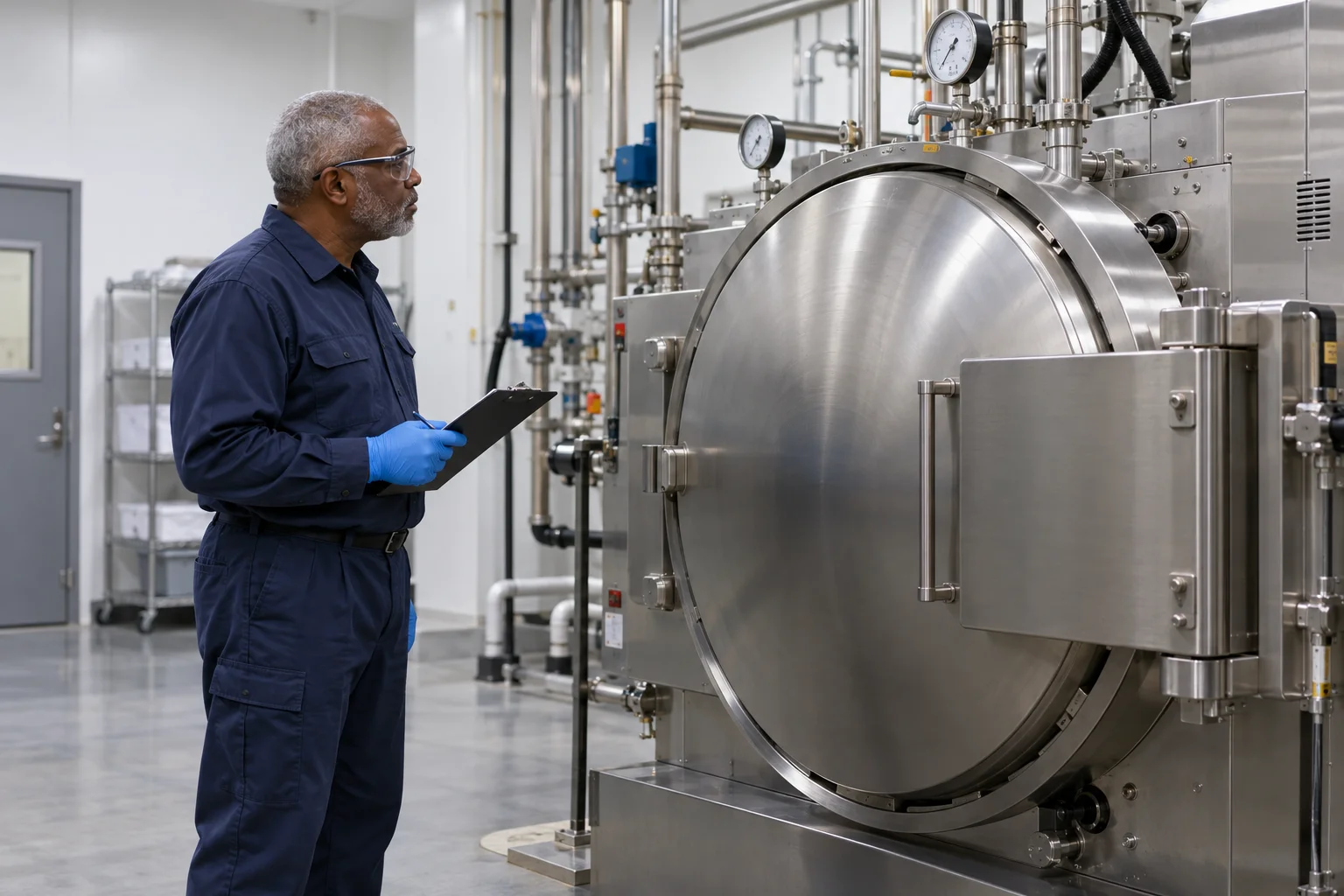
Medical waste management is critical to ensuring public health and environmental safety with regular inspection and maintenance of medical waste storage containers and storage areas are paramount. Surgery centers and healthcare facilities protect their employees, patients, and the environment by following proper procedures and implementing preventive measures.
In This Article
- 01Importance of Regular Inspection and Maintenance in Medical Waste Management
- 02Establishing a Regular Inspection Schedule
- 03Performing Leak Detection Procedures
- 04Importance of Regular Maintenance Practices
- 05Ensuring a Clean and Sanitary Storage Area
- 06Documentation and Record-Keeping
- 07Upholding Safety Standards
- 08Common Questions
Importance of Regular Inspection and Maintenance in Medical Waste Management
Establishing a Regular Inspection Schedule
Initiating a regular inspection schedule is vital to identify issues promptly. Inspections, ideally conducted weekly or bi-weekly, ensure timely detection and resolution of potential problems. During these inspections, a thorough visual examination of containers is necessary to identify any compromise in container integrity.
Performing Leak Detection Procedures
Conducting leak detection procedures is crucial to identify signs of leaks or spills. Also, checking for signs of leaks or spills around containers, examining the floor or ground for moisture, and inspecting containers for visible leaks or cracks are essential steps. So, utilizing leak detection kits helps identify hidden leaks, reducing contamination risks.
Importance of Regular Maintenance Practices
Regular maintenance, such as cleaning and disinfecting containers, prevents pathogen accumulation and odor. Moreover, promptly addressing spills or leaks using appropriate disinfectants and personal protective equipment is vital. Replacing damaged containers is necessary to prevent leakage and ensure safety.
Ensuring a Clean and Sanitary Storage Area
Maintaining a clean and sanitary storage area prevents pathogen spread and contamination. Adequate ventilation and restricting access to authorized personnel are vital measures to minimize risks associated with the unauthorized handling of medical waste.
Documentation and Record-Keeping
Maintaining detailed records of inspections, maintenance activities, and incidents is crucial for accountability and compliance. Comprehensive documentation of spills or leaks helps track incidents and strengthen future prevention efforts.
Upholding Safety Standards
Diligently implementing regular inspection and maintenance practices ensures the integrity of medical waste storage containers, promoting a safer medical waste management system. Adhering to these procedures safeguards employees, patients, and the environment, maintaining the highest safety standards for individuals and the ecosystem.
Contact MedPro Disposal today for compliant and cost-effective medical waste disposal services. Our team of experts is committed to providing reliable solutions that ensure your facility's and the environment's safety. Let us help you maintain the highest standards of safety and compliance.
Common Questions
- What counts as medical waste?
- Medical waste is any waste generated during the diagnosis, treatment, or immunization of humans or animals that may be contaminated with blood, body fluids, or other infectious material — including sharps, blood-soaked dressings, cultures, and pathological tissue. Non-contaminated items like standard packaging are not regulated medical waste.
- How much does medical waste disposal cost?
- Cost depends on waste volume, pickup frequency, container size, waste type, and location. Most practices pay a flat monthly or per-pickup rate rather than being billed per pound. Typical monthly costs range from about $50-$200 for small practices and dental offices up to $1,000+ for long-term care facilities, with hospitals and large health systems running $1,000-$50,000+ per month — see our full pricing breakdown by facility type. MedPro customers also save an average of 30% by switching from their previous provider.
- Is medical waste disposal legally required?
- Yes. Any facility generating regulated medical waste must comply with OSHA's Bloodborne Pathogens Standard, applicable EPA/DOT rules, and their state's specific medical waste regulations, which vary by state.
- What's the difference between medical waste and biohazard waste?
- Biohazard waste is a subset of medical waste. Medical waste is the broad category (including sharps and pharmaceuticals); biohazard waste specifically refers to material containing or potentially containing infectious agents.
Want more like this in your Google results?
Add MedPro as a preferred source on Google