

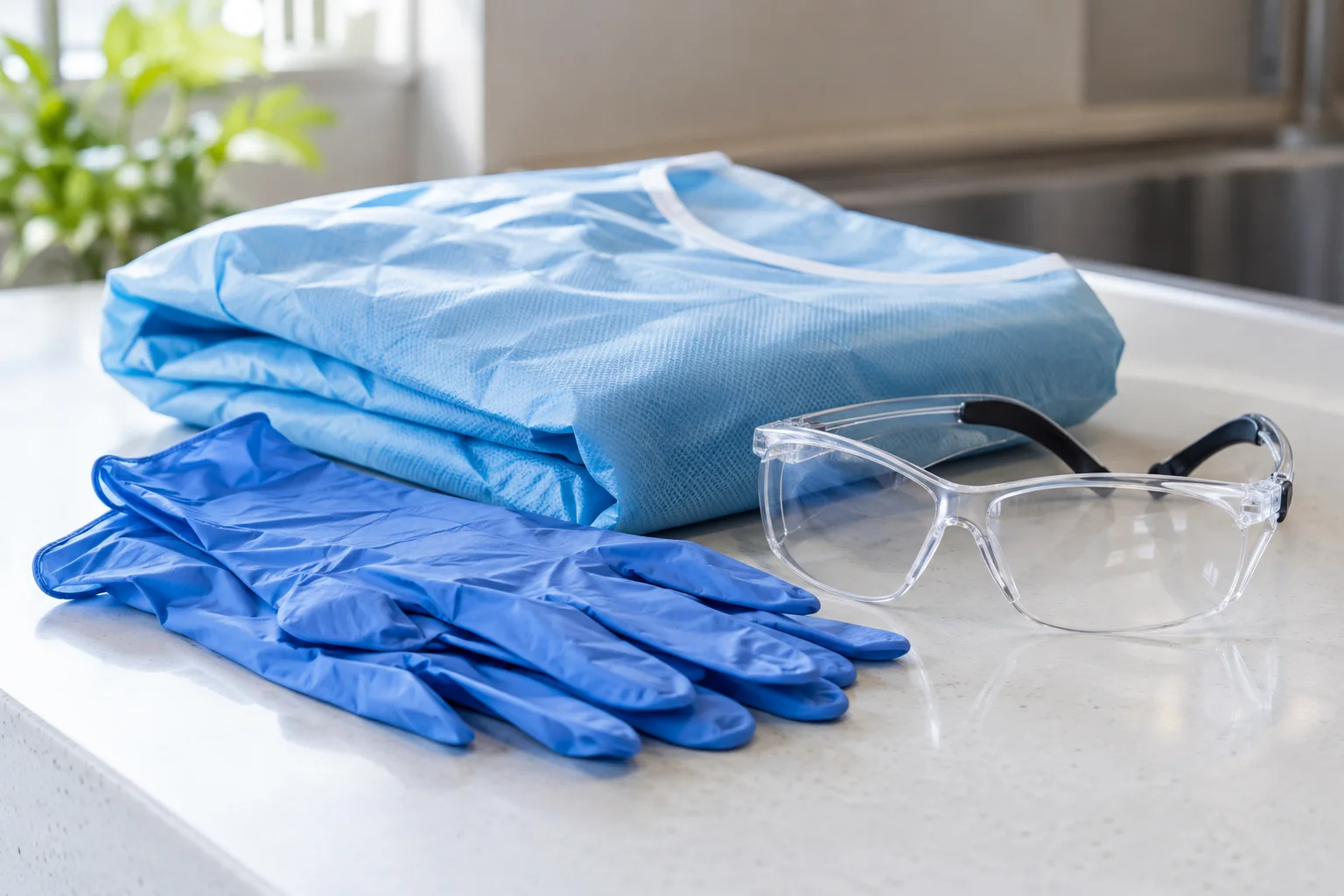
Funeral homes do not categorize as healthcare facilities, but their operations tend to produce the same types of hazardous waste. Funeral directors must take the same caution and responsibility in disposing of their medical waste. State environmental and health departments regulate medical waste. However, the EPA and OSHA have also set regulations and guidelines concerning funeral home waste management. By being able to recognize and define funeral home medical waste, it decreases the chances of disposing of it improperly.
In This Article
Medical and Hazardous Waste in Funeral Homes
What type of waste is regulated?
Regulated waste falls into five clear categories
- Liquid or semi-liquid blood
- Blood-soaked items that would release blood if compressed
- Microbiological and pathological waste
- Contaminated sharps
- Isolation waste
The funeral home is responsible for properly managing and disposing of this waste in compliance with state laws once they generate it. This policy ensures that these facilities are not endangering the environment or human health.
Frequent types of funeral home medical waste include:
- Blood
- Body parts
- Medical devices
- Pharmaceuticals
- Biohazardous waste
- Needles and other sharps
- Items that are around or used on or nearby the deceased (gauze, gowns)
- Any other items in the preparation room
This list includes any objects containing tissues, blood, and bodily fluids. At times additional objects may be with the deceased, such as vials holding chemotherapy drugs. These drugs or any medical devices removed during the embalming process can be hazardous if touched by anyone. It is essential to separate these items into a biohazard container.
Pathogens, including blood and bodily fluids, should store in containers resistant to leakage to prevent spills. It is best to incinerate pathological waste as it leaves your facility since it is highly toxic. It should always dispose of separately from any other type of waste.
Knowing your facilities' waste products and how to manage and adequately dispose of the waste can keep your company safe from fines and other disciplinary actions. Partnering with a company that ensures the utmost compliance in handling your medical waste will relieve your liabilities. MedPro Disposal offers top-tier medical waste disposal services. For a free quote, click the green icon in the top right corner.
Common Questions
- What is considered biohazard waste?
- Biohazard waste is any waste contaminated with blood, body fluids, or other potentially infectious materials that could transmit disease. OSHA's definition covers liquid or semi-liquid blood; items that would release blood if compressed or are caked with dried blood that could flake off; contaminated sharps; and pathological and microbiological wastes. Common examples include saturated gauze, contaminated PPE, suction canisters, cultures, needles, and surgical tissue.
- What's the difference between biohazard waste and medical waste?
- Biohazard waste is a subset of medical waste. Medical waste is the broad category that can include pharmaceuticals and chemicals; biohazard waste specifically refers to material that contains or may contain infectious agents. For the broader category, see our medical waste disposal guide.
- How much does biohazard waste disposal cost?
- Cost depends on waste volume, pickup frequency, container size, waste type, and location; pathological and pharmaceutical waste generally cost more to treat than standard biohazard waste. MedPro customers save an average of 30% versus their previous provider — request a free quote for pricing specific to your facility.
- Who needs biohazard waste disposal services?
- Any organization that generates infectious waste — hospitals, clinics, physician and dental offices, nursing homes, home health providers, laboratories, schools and universities, mortuaries and funeral homes, blood banks, veterinary practices and animal shelters, and even jails, prisons, and casinos.
Want more like this in your Google results?
Add MedPro as a preferred source on Google