

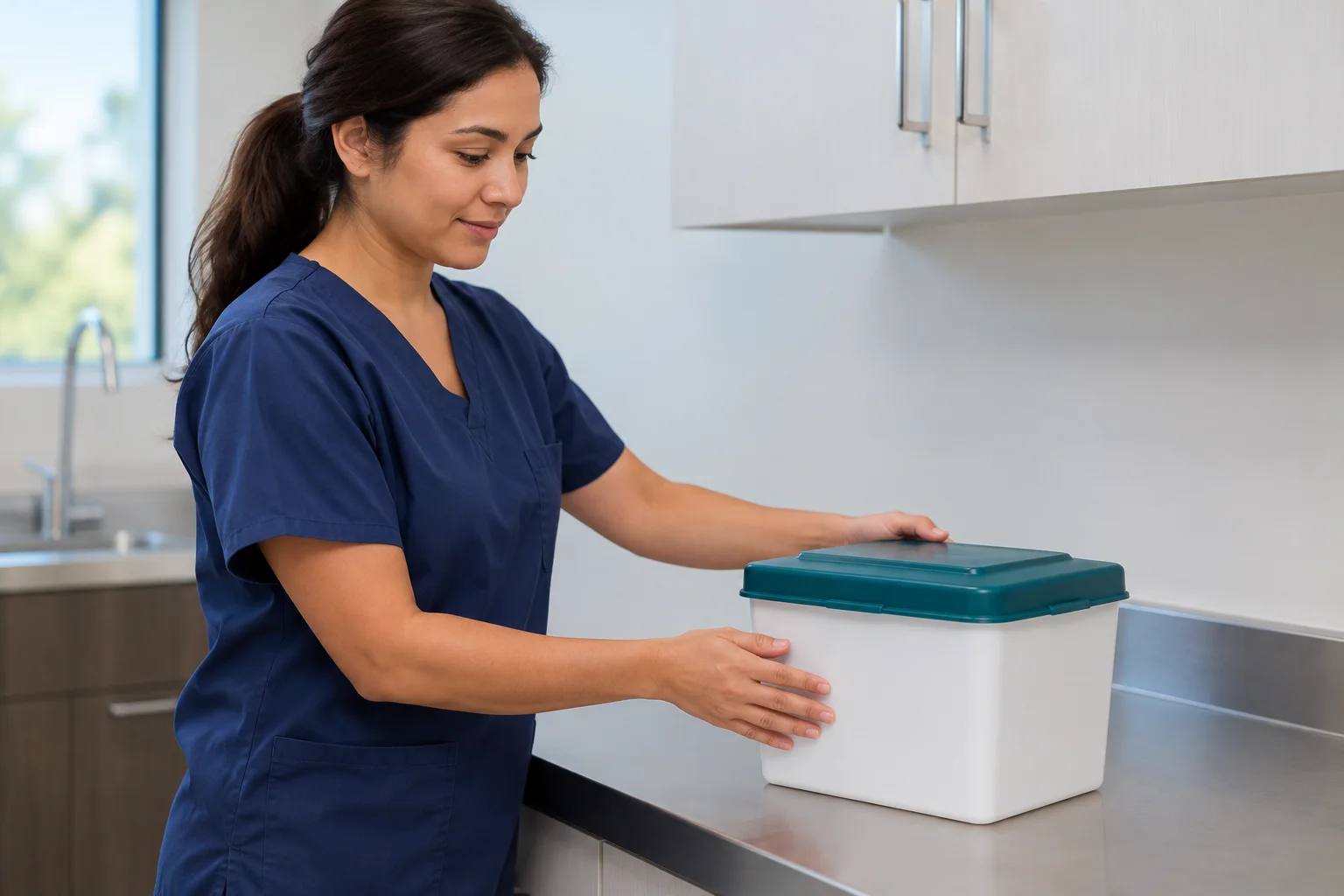
As the amount of individuals being admitted to hospitals and other healthcare facilities continues rising each year, so does the number of pharmaceutical products being prescribed or purchased over the counter. Many patients also don’t complete a course of medication because of allergic reactions or unpleasant side effects, resulting in a lot of pharmaceutical waste accumulating over time.
In This Article
Although many individuals think that it’s safe to flush unwanted medication down the toilet, this is not the case. Below are just some reasons why it’s crucial to dispose of pharmaceutical waste in the correct manner.
Prevent Contamination of Drinking Water Supplies
Pharmaceutical waste that is incorrectly disposed of – especially being flushed down the toilet – won’t just ‘go away’ – it will contaminate any water supplies it comes into contact with. Over time, these chemicals will also leech into the surrounding soil.
This groundwater then flows into nearby rivers and streams, which will in turn end up in local drinking water supplies. Traditional methods of purifying drinking water are not able to remove these substances, meaning that it will pose health risks for people that consume it.
Prevent Wildlife from Consuming Chemicals
When pharmaceutical waste isn’t disposed of correctly, it not only affects humans; plants, animals, and ocean species absorb them as well. As you move up the food chain, several of these chemical substances will become more potent and this results in species such as tuna becoming too risky for humans to consume safely.
Prevent Crop Contamination
Some studies have suggested that even substances like ibuprofen that are generally considered to be harmless, will have a negative effect on crop growth in that it could weaken root systems over time. Not only does this negatively affect the crop itself; anyone who consumes the food grown in these fields could end up taking these chemicals into their bodies as well.
Prevent Medications from Landing in the Wrong Hands
Another serious concern when
pharmaceutical products
are simply tossed in the bin instead of being correctly disposed of is that uninformed individuals can pick them up and consume them. They could also find their way to landfills in their intact state and be collected by unscrupulous trash pickers or consumed by innocent wildlife.
Protect a Healthcare Facility’s Reputation
Not only will healthcare facilities that fail to correctly dispose of pharmaceutical waste be heavily fined; regulatory authorities are also well known for publicizing the names of any medical practitioners and/or healthcare facilities that have been found guilty of incorrect disposal of pharmaceutical waste. This will have a tremendously negative effect on that specific healthcare facility’s
reputation
as well.
MedPro Disposal specializes in the collection, disposal, and/or destruction of various types of pharmaceutical waste and the company provides these services in several locations around the country. If you are responsible for ensuring that the pharmaceutical waste at your healthcare facility is handled correctly and you’d like to learn more about hiring our services in this regard, contact us today.
Common Questions
- What counts as medical waste?
- Medical waste is any waste generated during the diagnosis, treatment, or immunization of humans or animals that may be contaminated with blood, body fluids, or other infectious material — including sharps, blood-soaked dressings, cultures, and pathological tissue. Non-contaminated items like standard packaging are not regulated medical waste.
- What's the difference between medical waste and biohazard waste?
- Biohazard waste is a subset of medical waste. Medical waste is the broad category (including sharps and pharmaceuticals); biohazard waste specifically refers to material containing or potentially containing infectious agents.
- Can I dispose of medical waste myself?
- In nearly every state, regulated medical waste can't go in normal trash. It must be treated by a licensed facility (autoclave or incineration) and transported by a permitted hauler. Very low-volume generators may qualify for mail-back containers instead of route pickup.
- How do I dispose of expired medications, including controlled substances?
- Expired or unused pharmaceuticals — including DEA Schedule II-V controlled substances — must go through a permitted reverse distributor or medical waste vendor, not regular trash or a toilet. MedPro offers pharmaceutical waste disposal and mail-back containers built for DEA/EPA-compliant disposal of both controlled and non-controlled medications.
Want more like this in your Google results?
Add MedPro as a preferred source on Google