

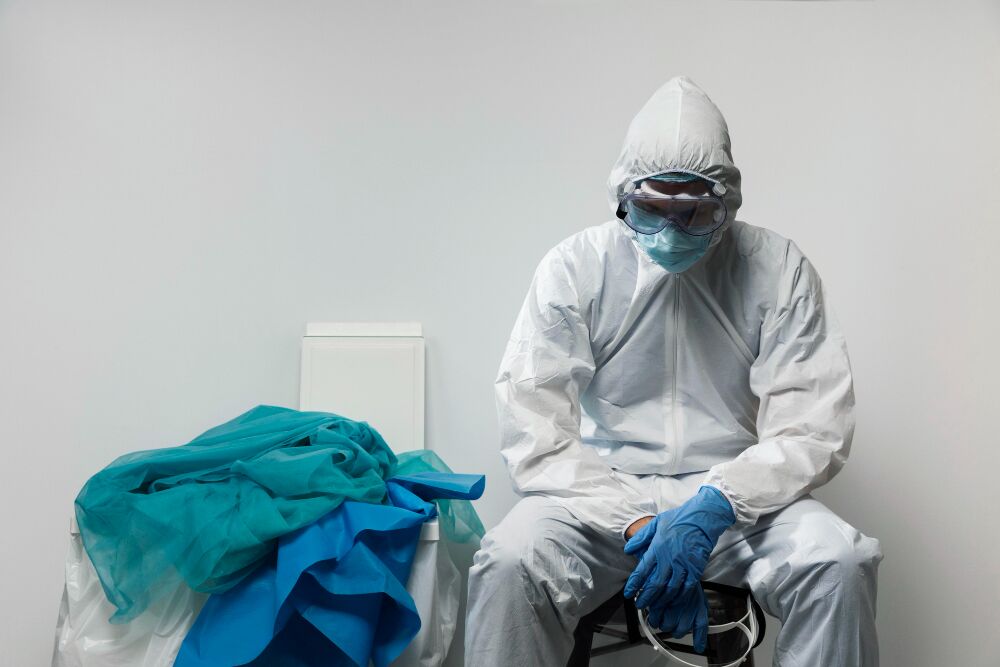
Hospital waste has always been complex – but one category is growing faster than almost any other, and many healthcare facilities are struggling to keep up. Hospital hazardous waste management has quietly become one of the most demanding compliance challenges facing healthcare administrators, environmental services teams, and clinical staff across the United States.
The problem isn’t just volume. It’s variety.
From expired chemotherapy drugs to mercury-containing equipment, from solvent-soaked cleaning supplies to RCRA-regulated pharmaceuticals, the definition of what counts as hazardous waste in a hospital setting has expanded significantly. And with updated EPA regulations taking effect, the stakes for getting it wrong have never been higher.
In this guide, we’ll walk through exactly what qualifies as hazardous waste in hospitals, why the category is growing so rapidly, and what your facility needs to do to stay ahead of it.
What Is Considered Hazardous Waste in Hospitals?
Under the Resource Conservation and Recovery Act (RCRA), the EPA defines hazardous waste as any solid waste that poses a substantial threat to human health or the environment due to its ignitability, corrosivity, reactivity, or toxicity.
In a hospital setting, that definition covers far more ground than most people expect.
What is considered hazardous waste in hospitals includes, but is not limited to:
- Chemotherapy (antineoplastic) drugs and contaminated materials
- Pharmaceuticals that meet RCRA hazardous waste criteria (P-listed and U-listed drugs)
- Mercury-containing devices – thermometers, blood pressure cuffs, fluorescent lamps
- Formaldehyde and glutaraldehyde used in pathology and sterilization
- Xylene and other solvents used in histology labs
- Lead-containing materials – aprons, certain paints, some construction materials
- Aerosol cans and compressed gas cylinders
- Batteries (nickel-cadmium, lead-acid, lithium)
- Certain disinfectants and cleaning chemicals
The key distinction is this: not all medical waste is hazardous, and not all hazardous waste is medical. The overlap between the two is where compliance gets complicated – and where most facilities run into trouble.
Types of Hazardous Waste in Hospitals
Understanding the types of hazardous waste in hospitals is the foundation of any solid compliance program. The EPA organizes hazardous waste into two primary categories: listed wastes and characteristic wastes.
Listed Hazardous Wastes
Listed wastes are explicitly identified by the EPA in four lists:
- F-List – wastes from non-specific industrial processes (certain solvents like xylene, acetone, and toluene commonly used in hospital labs)
- K-List – wastes from specific industries (rarely applies to hospitals)
- P-List – acutely hazardous discarded commercial chemical products (includes certain pharmaceuticals like warfarin at certain concentrations, epinephrine, and physostigmine)
- U-List – toxic discarded commercial chemical products (includes many common pharmaceuticals such as lindane, cyclophosphamide, and selenium sulfide)
Characteristic Hazardous Wastes
These wastes aren’t on a specific list but exhibit one or more of four hazardous characteristics:
- Ignitability – alcohol-based hand sanitizers, certain disinfectants
- Corrosivity – strong acids or bases used in labs
- Reactivity – unstable compounds that can explode or react violently
- Toxicity – wastes that leach harmful chemicals (certain heavy metals, pesticides)
Pharmaceutical Hazardous Waste
This is the fastest-growing sub-category. The EPA’s Drug Disposal Rule (effective August 2019) and the subsequent Hazardous Waste Pharmaceuticals Rule significantly changed how hospitals must manage RCRA-regulated pharmaceuticals. Many facilities are still catching up.
P-listed pharmaceuticals – like epinephrine, warfarin, and nicotine – must be managed as acutely hazardous waste, which carries the most stringent handling, storage, and disposal requirements of any waste category.
Why Hazardous Waste Is Increasing in Hospitals
If it feels like hazardous waste management in healthcare has gotten more complicated over the past several years, that’s because it genuinely has. Several converging trends are driving the increase.
Expanded Pharmaceutical Formularies
Modern hospitals stock a far wider range of medications than they did two decades ago. More drugs means more pharmaceutical waste – and a higher likelihood that some of those drugs fall under RCRA hazardous waste criteria.
Regulatory Expansion
The EPA’s Hazardous Waste Pharmaceuticals Rule (effective for large quantity generators in 2020) brought hospitals under stricter pharmaceutical waste requirements. More waste streams are now regulated than ever before.
Increased Use of Chemotherapy
Cancer treatment rates have climbed steadily. The American Cancer Society estimates that over 2 million new cancer cases will be diagnosed in the United States in 2024 alone. More chemotherapy means more trace chemo waste, more contaminated PPE, and more P-listed pharmaceutical waste.
Aging Infrastructure
Many hospital facilities still contain legacy hazardous materials – mercury thermometers, older fluorescent lighting, lead-lined equipment – that require careful management and eventual disposal as they’re phased out.
Supply Chain Complexity
Post-pandemic supply chain disruptions led to increased pharmaceutical waste as hospitals managed surplus inventory, product expirations, and substitutions – all of which create additional disposal obligations.
Hospital Hazardous Waste Disposal Regulations 2026
Hospital hazardous waste disposal regulations are layered across federal, state, and sometimes local levels. Here’s where things stand heading into 2026.
Federal Framework
The EPA’s RCRA framework governs hazardous waste from “cradle to grave.” Key requirements for hospitals include:
- Generator status determination – hospitals must determine whether they are a Large Quantity Generator (LQG), Small Quantity Generator (SQG), or Very Small Quantity Generator (VSQG) based on monthly hazardous waste generation
- Waste accumulation time limits – LQGs may accumulate hazardous waste on-site for up to 90 days; SQGs up to 270 days; VSQGs have no time limit but volume limits apply
- Storage area requirements – proper labeling, containment, ventilation, and emergency response equipment
- Manifest requirements – all hazardous waste shipped off-site must be accompanied by a Uniform Hazardous Waste Manifest
- Land Disposal Restrictions (LDRs) – certain hazardous wastes must be treated before land disposal; notifications are required
The 2019 Pharmaceutical Rule – Still Catching Facilities Off Guard
Despite taking effect in 2020 for LQGs, many healthcare facilities are still not fully compliant with the Hazardous Waste Pharmaceuticals Rule. This rule:
- Prohibits flushing RCRA hazardous waste pharmaceuticals down the drain
- Requires separate management of hazardous waste pharmaceuticals from other pharmaceutical waste
- Establishes specific requirements for reverse distributors handling pharmaceutical returns
State Regulations
Every state has its own authorized hazardous waste program, and many are stricter than federal standards. California, for example, operates under its own Hazardous Waste Control Law, which imposes additional requirements beyond RCRA. Always verify your state’s specific requirements.
Hazardous Waste Handling in Healthcare – A Practical Guide
Proper hazardous waste handling in healthcare requires a systematic approach that starts at the point of generation and follows waste through to final disposal.
Step 1 – Identify and Characterize the Waste
Before you can manage hazardous waste properly, you need to know what you have. Conduct a thorough waste characterization assessment covering all departments – pharmacy, laboratory, oncology, housekeeping, and facilities maintenance.
Step 2 – Segregate at the Point of Generation
Mixing hazardous and non-hazardous waste is one of the most costly mistakes a facility can make. It turns non-regulated waste into regulated waste, dramatically increasing disposal costs and compliance risk.
Use clearly labeled, color-coded containers:
- Black containers – RCRA hazardous pharmaceutical waste
- Blue containers – non-hazardous pharmaceutical waste
- Yellow containers – chemotherapy waste
- Standard red containers – regulated medical waste (not hazardous)
Step 3 – Label and Store Properly
All hazardous waste containers must be clearly labeled with the words “Hazardous Waste,” the waste contents, and the accumulation start date. Storage areas must meet EPA requirements for secondary containment, ventilation, and emergency equipment.
Step 4 – Track Accumulation Time
Missing accumulation time limits is one of the most common – and most cited – violations in hospital hazardous waste inspections. Assign a responsible party to monitor accumulation start dates and schedule pickups accordingly.
Step 5 – Use a Licensed Hazardous Waste Disposal Vendor
Under RCRA, the generator retains legal responsibility for waste from the moment it’s generated until it reaches final disposal. Using an unlicensed vendor does not transfer that liability. Always verify that your hazardous waste hauler and treatment, storage, and disposal facility (TSDF) are properly permitted.
Best Practices for Hazardous Waste Management in Healthcare
The most successful hazardous waste management in healthcare programs share a few common characteristics.
1. Conduct annual waste stream assessments
Formularies change, procedures evolve, and new chemicals enter the facility regularly. An annual review ensures your waste characterization stays current.
2. Invest in staff training
RCRA requires that all personnel who handle hazardous waste receive training appropriate to their role. Document all training and retain records.
3. Implement a pharmaceutical waste management program
Given the complexity of pharmaceutical hazardous waste, many facilities benefit from a dedicated program with clear protocols for P-listed drugs, U-listed drugs, and non-RCRA pharmaceutical waste.
4. Establish a waste minimization program
The EPA encourages – and in some cases requires – generators to minimize hazardous waste generation. Purchasing controls, better inventory management, and unit-dose dispensing can all reduce pharmaceutical waste volumes.
5. Maintain complete and accurate records
Manifests, training records, waste characterization documentation, and annual reports must be retained for a minimum of three years under federal law – longer in some states.
Common Mistakes Healthcare Facilities Make
Even well-resourced hospitals make predictable errors. Here are the ones we see most often:
- Misclassifying P-listed pharmaceuticals – failing to recognize that drugs like epinephrine and warfarin (at certain concentrations) are acutely hazardous waste with the strictest disposal requirements
- Draining hazardous pharmaceutical waste – pouring RCRA-regulated drugs down the drain is explicitly prohibited and a significant enforcement priority for EPA and state regulators
- Ignoring the satellite accumulation rules – satellite accumulation areas (SAAs) near the point of generation have their own specific requirements; treating them like standard storage areas is a common violation
- Commingling waste streams – mixing red bag (regulated medical) waste with hazardous waste, or mixing different hazardous waste streams, creates disposal and compliance complications
- Failing to update generator status – if your waste generation increases, your generator status may change, triggering additional requirements; many facilities don’t realize this until an inspection
Expert Advice: Pro Tips from Compliance Professionals
Pro Tip 1: Build relationships with your state environmental agency.
State regulators often provide compliance assistance resources, including free on-site visits and guidance documents. Taking advantage of these resources before an inspection is far more productive than dealing with violations after the fact.
Pro Tip 2: Don’t rely solely on your waste vendor for compliance guidance.
Your disposal vendor is a valuable partner, but they are not your compliance officer. Regulatory interpretation and internal program management remain the generator’s responsibility.
Pro Tip 3: Conduct mock inspections annually.
Walk through your facility the way an EPA or state inspector would. Check container labeling, accumulation start dates, training records, and storage area conditions. Finding gaps yourself is always better than having a regulator find them.
Pro Tip 4: Track regulatory changes proactively.
The EPA regularly updates hazardous waste rules. Subscribe to EPA regulatory updates and your state environmental agency’s notification list so you’re never caught off guard by a rule change.
FAQ
What is considered hazardous waste in a hospital?
Hazardous waste in hospitals includes RCRA-regulated pharmaceuticals (P-listed and U-listed drugs), chemotherapy agents, laboratory solvents like xylene and formalin, mercury-containing devices, lead-containing materials, and certain cleaning chemicals. Any waste that is ignitable, corrosive, reactive, or toxic under EPA criteria may qualify as hazardous.
How is hazardous waste different from regulated medical waste in hospitals?
Regulated medical waste (also called biohazardous or infectious waste) is governed by state health departments and includes items like sharps, blood-soaked materials, and pathological waste. Hazardous waste is regulated by the EPA under RCRA and is defined by chemical toxicity, ignitability, corrosivity, or reactivity – not by infectious potential. Some waste can be both (e.g., chemotherapy waste), requiring dual compliance.
What are the penalties for improper hospital hazardous waste disposal?
EPA civil penalties for RCRA violations can reach up to $70,117 per day per violation. Serious or willful violations can result in criminal charges, including fines and imprisonment. State penalties vary but can be equally severe. Beyond financial penalties, violations can damage a facility’s reputation and trigger increased regulatory scrutiny.
Do small clinics and physician offices have to follow the same hazardous waste rules as large hospitals?
Generator status under RCRA is based on monthly hazardous waste generation volume, not facility size. Small clinics that generate less than 100 kg of hazardous waste per month may qualify as Very Small Quantity Generators (VSQGs) with reduced requirements – but they still have obligations. Pharmaceutical hazardous waste rules apply regardless of generator status.
How often should hospitals review their hazardous waste program?
At minimum, hospitals should conduct a comprehensive waste program review annually. Reviews should also be triggered by significant changes – new procedures, formulary changes, facility renovations, or regulatory updates. Ongoing monitoring of accumulation times and container conditions should be part of daily or weekly environmental services rounds.
Conclusion
Hospital hazardous waste management is no longer a back-office compliance function – it’s a front-line operational priority. With pharmaceutical waste volumes rising, EPA enforcement intensifying, and hospital hazardous waste disposal regulations evolving heading into 2026, facilities that treat hazardous waste as an afterthought are taking on serious legal, financial, and reputational risk.
The good news is that a well-structured program – built on accurate waste characterization, proper segregation, trained staff, and a trusted disposal partner – can bring even the most complex waste streams under control.
Understanding the types of hazardous waste in hospitals, following proper hazardous waste handling in healthcare protocols, and staying current with regulatory changes are the three pillars of a defensible, compliant program.
At MedPro Disposal, we work with healthcare facilities across the United States to build hazardous waste management programs that are practical, compliant, and cost-effective. From RCRA pharmaceutical waste to chemotherapy disposal and beyond, our team has the expertise to help your facility stay ahead of the curve.
Don’t wait for an inspection to find out where your gaps are. Contact MedPro Disposal today for a free compliance assessment.


