
MedPro Disposal

Medical Waste Disposal for Oncology Clinics

Chemotherapy waste can't be treated like routine red bag waste — and your disposal program shouldn't be either.

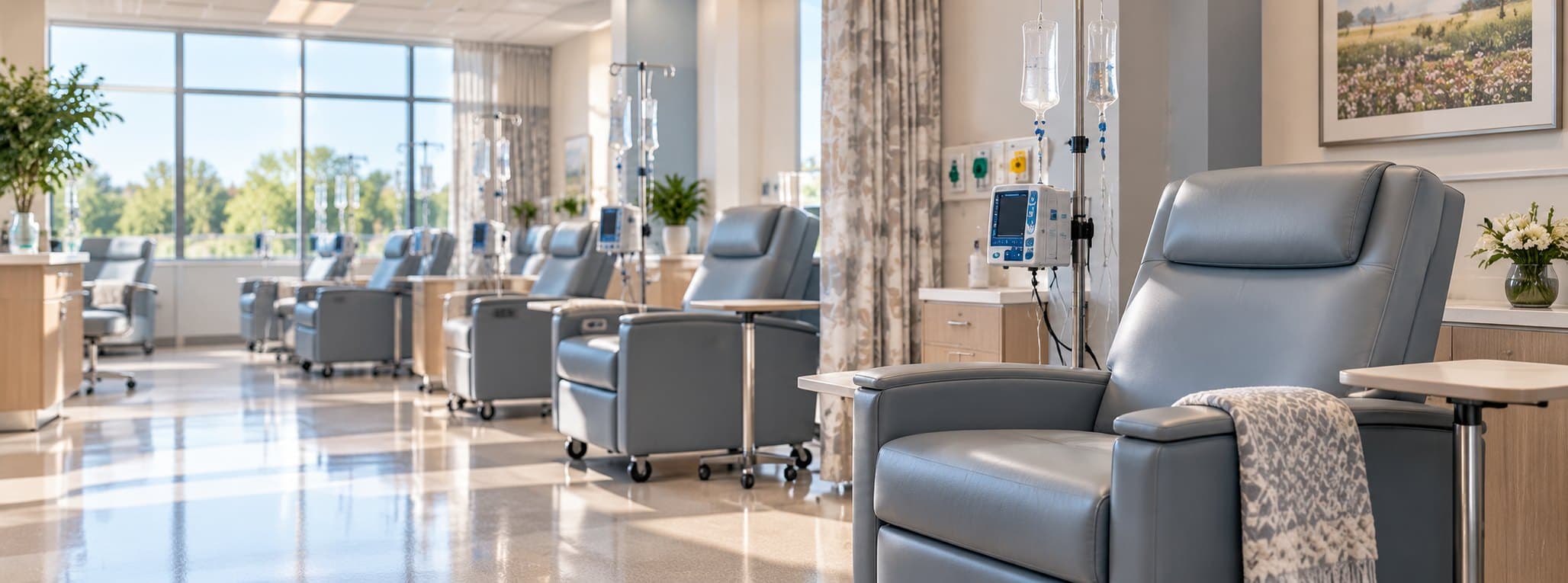
Oncology clinics and infusion centers generate some of the most complex waste in healthcare: trace and bulk chemotherapy waste, hazardous drugs, contaminated PPE, sharps, and pathological specimens. MedPro Disposal helps you segregate, contain, and dispose of each stream safely, with the documentation to prove it.

Get a free, no-obligation quote for your clinic.

Get Your Free Quote

Start with your name and number — it takes about a minute.

No spam, ever. We'll only use this to follow up on your quote.

This site is protected by reCAPTCHA and the Google Privacy Policy and Terms of Service apply.

Prefer to talk? Call (888) 641-6131
  • BBB A+ Rated
  • 40,000+ Facilities Served
  • Since 2009
  • 99% On-Time Service
  • Save an Average of 30%

Quick Answer

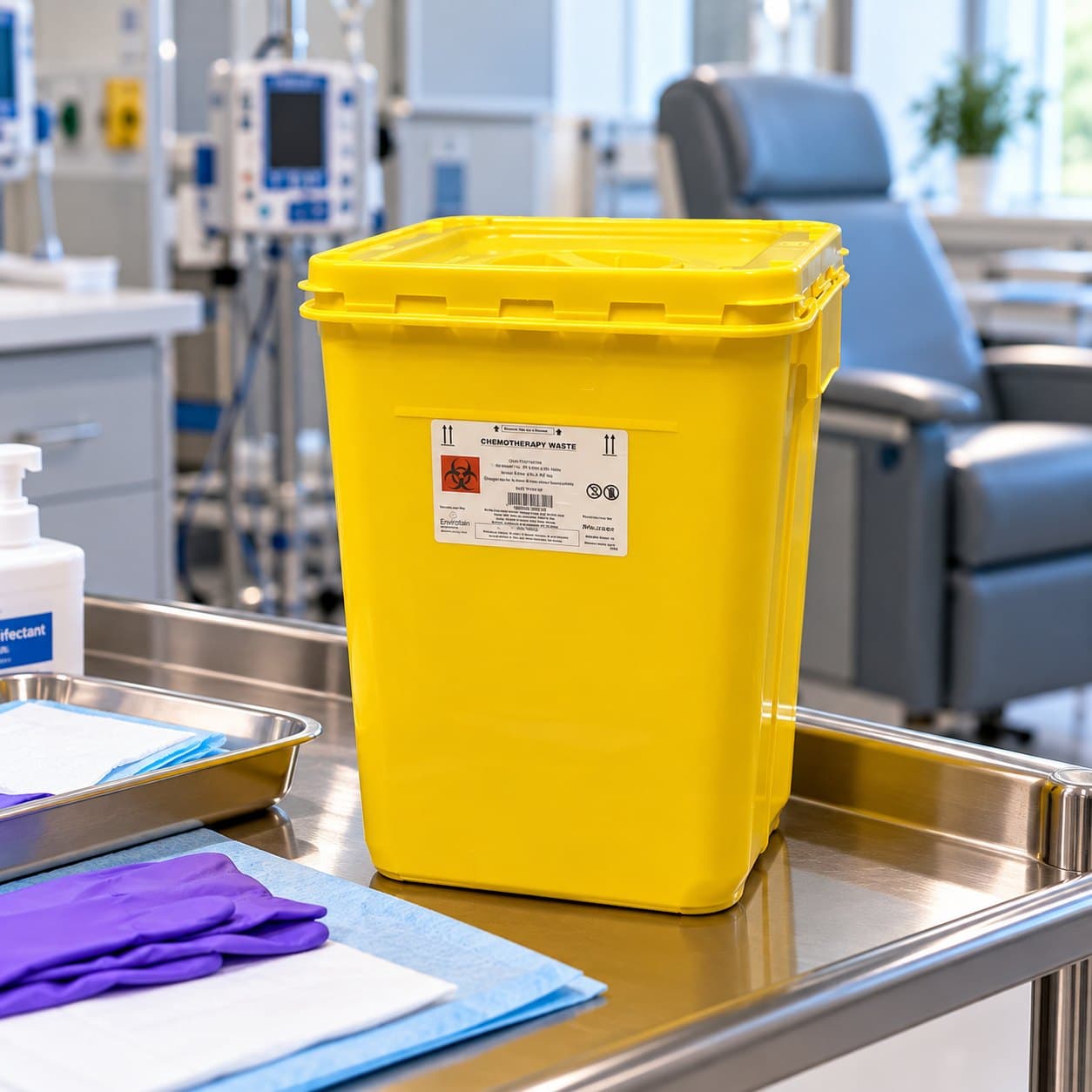
Oncology waste disposal is the segregation, containment, transport, and treatment of the hazardous and infectious waste generated during cancer care. The key distinction is between trace chemotherapy waste — empty drug containers, IV bags, tubing, and PPE with only residual drug — which typically goes in yellow containers for incineration, and bulk chemotherapy waste — unused or partially used drugs and spill cleanup — which is often managed as RCRA hazardous waste in black containers. Both are kept separate from routine biohazard waste, sharps, and non-hazardous pharmaceuticals, and exact handling depends on the drug and your state.
Know Your Streams

Trace vs. Bulk Chemotherapy Waste

Most oncology waste errors come down to this one distinction. Here's how the two streams typically differ — confirm the details for your drugs and your state.

Trace vs. Bulk Chemotherapy Waste
FactorTrace Chemotherapy WasteBulk Chemotherapy Waste
What it isItems that held or contacted a chemotherapy drug but are now empty, with only residual drug remainingChemotherapy drug that remains usable or measurable, or materials heavily contaminated with it
Common examplesEmpty vials, fully administered IV bags and tubing, used gowns and gloves, fully discharged syringesUnused or expired vials, partially used IV bags and syringes, spill cleanup materials, heavily soaked PPE
How it's definedGenerally tied to the EPA's “RCRA empty” standard — for most drugs, no more than 3% of the original contents by weight; state definitions varyAnything beyond trace; if the drug is EPA-listed or shows a hazardous characteristic, it's RCRA hazardous waste
Typical containerYellow trace chemotherapy container (yellow chemo sharps container for sharps)Black hazardous waste container; hazardous waste pharmaceuticals labeled “Hazardous Waste Pharmaceuticals”
Typical treatmentIncineration — not autoclavingIncineration at a permitted hazardous waste facility
Interactive Guide

Which container does it go in?

Segregating at the chair, the compounding area, and the exam room is the first compliance requirement in an oncology clinic. Pick an item to see where it typically belongs.

Gowns, gloves & PPE from chemo administration goes in

Yellow trace chemo container or yellow chemo sharps container

Trace Chemotherapy Waste

PPE with residual chemotherapy contamination is typically trace waste. PPE heavily soaked from a spill is usually handled as bulk.

View the full medical waste segregation chart
Medical waste segregation chart
ItemWaste streamContainer
Gowns, gloves & PPE from chemo administrationTrace Chemotherapy WasteYellow trace chemo container or yellow chemo sharps container
Empty IV bags & tubing after infusionTrace Chemotherapy WasteYellow trace chemo container or yellow chemo sharps container
Fully discharged chemo syringes & needlesTrace Chemotherapy WasteYellow trace chemo container or yellow chemo sharps container
Partially used IV bags or syringesBulk Chemotherapy / Hazardous WasteBlack RCRA hazardous waste container
Unused or expired chemotherapy vialsBulk Chemotherapy / Hazardous WasteBlack RCRA hazardous waste container
Chemo spill cleanup materialsBulk Chemotherapy / Hazardous WasteBlack RCRA hazardous waste container
Needles from routine blood drawsSharps WastePuncture-resistant sharps container
Blood-soaked gauze (no chemo contact)Regulated Medical WasteRed bag or biohazard box
Biopsy tissue & specimensPathological WasteLabeled pathological waste container for incineration
Expired supportive-care medicationsNon-Hazardous Pharmaceutical WasteBlue (or blue & white) pharmaceutical container
Opioid pain medicationsDEA Controlled SubstancesSecure, locked controlled-substance system
Treatment plans & patient recordsProtected Health InformationSecure shredding bin

General guidance only — chemotherapy waste handling depends on the specific drug, how much remains, and your state's rules. Your MedPro account team will confirm what applies to your clinic during setup.

The Challenge

Why Oncology Clinics Need Specialized Waste Disposal

Oncology clinics face waste challenges driven by the nature of what they generate and the rules they must follow.

A general medical waste program isn't built for cytotoxic drugs. Oncology clinics need a vendor that understands how chemotherapy waste is segregated, contained, and treated — and that can support the training and documentation that go with it.

  • Hazardous and cytotoxic waste that can expose staff and the environment to toxic chemicals.
  • Diverse waste streams that must be kept apart at the point of use.
  • Infection control and sharps-injury risks during infusion and blood draws.
  • Overlapping EPA, OSHA, DOT, DEA, and state requirements.
  • Waste volume that rises during treatment peaks.
  • Ongoing staff training and awareness as teams and drug lists change.
Governing Rules

The Rules Behind Oncology Waste

Oncology clinics sit at the intersection of hazardous waste, pharmaceutical, and medical waste regulations.

  1. Level 1 — Federal

    Federal Agencies

    • EPA / RCRA 40 CFR 262
    • EPA Subpart P 40 CFR 266
    • OSHA 29 CFR 1910.1030
    • DEA 21 CFR 1317
    • DOT 49 CFR

    Sets the national floor for hazardous waste pharmaceuticals, worker safety, controlled substances, and transport.

  2. Level 2 — State

    State Programs

    • Hazardous Waste Program
    • Medical Waste Program
    • Pharmacy Board

    States can define trace chemo waste, add hazardous waste requirements, and enforce hazardous drug standards.

  3. Level 3 — Clinic

    Your Clinic

    • Hazardous Drug List
    • Written Procedures
    • Training & Records

    Your procedures must identify which drugs are hazardous and how each waste stream is handled.

EPA Hazardous Waste Pharmaceutical Rules

Some chemotherapy drugs are listed hazardous wastes when discarded — cyclophosphamide is on the EPA's U list, and arsenic trioxide is on the acutely hazardous P list — and others may qualify by characteristic. Healthcare facilities manage these under 40 CFR Part 266 Subpart P, which bans sewering hazardous waste pharmaceuticals at every healthcare facility, requires containers labeled “Hazardous Waste Pharmaceuticals,” and limits on-site accumulation to one year. Your generator status under 40 CFR Part 262 and your state's rules affect the details.

USP <800> and Worker Safety

USP General Chapter <800> sets standards for handling hazardous drugs in healthcare settings — including disposing of hazardous drug waste in line with federal, state, and local rules — and draws on the NIOSH list of hazardous drugs. Not every NIOSH hazardous drug is an RCRA hazardous waste, so both lists matter. How USP <800> is enforced depends on your state and accrediting bodies. Separately, OSHA's Bloodborne Pathogens Standard covers sharps and blood-contaminated waste from infusion visits.

Yellow chemotherapy waste container in an oncology infusion room
Working With MedPro

How We Set Up Your Oncology Waste Program

  1. 1

    Request a Quote

    Tell us about your clinic, infusion volume, and the waste streams you generate. We'll send a free, no-obligation quote.

  2. 2

    Map Your Waste Streams

    We help you separate trace chemo, bulk hazardous drug, sharps, biohazard, pathological, and pharmaceutical waste, and place the right containers at each point of use.

  3. 3

    Scheduled Pickup

    Pickups are matched to your treatment schedule and volume, including peaks, so waste doesn't accumulate.

  4. 4

    Compliant Treatment

    Each stream is transported under DOT rules and treated at a permitted facility using an approved method, typically incineration for chemotherapy waste.

  5. 5

    Documentation

    Manifests and disposal records stay in your client portal for audits and inspections.

Compliance Checklist

Is Your Oncology Waste Program Compliant?

Six checks for any clinic that administers chemotherapy.

Your Self-Check

0/6in place

Tick what your facility already has in place. MedPro can help close the gaps.

Get Compliant Help
Why MedPro Disposal

Why Oncology Clinics Choose MedPro Disposal

Cost-effective, compliant, reliable service suited to your clinic's needs and waste volume — and we take full title to your waste from the moment we pick it up, backed by $33M in liability coverage.

Average savings vs. prior provider

30%

Liability coverage from pickup through disposal

$33M

Contiguous states served

48

Business days to your first pickup

7–10

Who We Serve

Reliable Waste Disposal for Every Type of Oncology Clinic

Each type of oncology practice generates a different mix of waste. Medical and community oncology clinics produce the most chemotherapy waste from infusion; surgical oncology adds pathological waste; radiation oncology clinics still generate sharps, biohazard, and pharmaceutical waste alongside their specialized treatment. MedPro builds your program around what you actually generate, with HIPAA and OSHA training for your staff and manifests, training certificates, and invoices in one client portal.

  • Medical Oncology Clinics
  • Infusion Centers
  • Community Oncology Clinics
  • Surgical Oncology Clinics
  • Radiation Oncology Clinics
  • Hematologic Oncology
  • Gynecologic Oncology
  • Pediatric Oncology
  • Neuro-Oncology
FAQ

Frequently Asked Questions

Still have a question? Call (888) 641-6131 and talk to a real person.

How quickly can we start service?

Your first pickup is scheduled within 7–10 business days after signing your agreement. Then you can choose a pickup schedule that fits your clinic's needs. Request a free quote to get started.

What is the difference between trace and bulk chemotherapy waste?

Trace chemotherapy waste is material that held or contacted a chemotherapy drug but is now empty, with only residual drug remaining — such as empty vials, fully administered IV bags and tubing, and used PPE. Bulk chemotherapy waste includes unused or partially used drugs, spill cleanup materials, and heavily contaminated items. Trace waste typically goes in yellow containers for incineration; bulk waste is often managed as RCRA hazardous waste in black containers. Exact definitions vary by state.

Is chemotherapy waste considered hazardous waste?

Some of it is. Certain chemotherapy drugs are EPA-listed hazardous wastes when discarded — for example, cyclophosphamide is U-listed and arsenic trioxide is P-listed — and others may qualify by characteristic. Unused or partially used amounts of those drugs must be managed as hazardous waste. Trace waste that meets the “RCRA empty” standard generally isn't, though state rules can differ. Handling always depends on the specific drug.

Can chemotherapy waste go in a red biohazard bag?

Generally, no. Chemotherapy waste should be segregated into trace (yellow) or bulk (black) containers so it's routed to incineration or hazardous waste treatment rather than autoclaving. Only blood-contaminated waste that didn't contact hazardous drugs belongs in a standard biohazard red bag.

Can oncology clinics pour leftover chemotherapy drugs down the drain?

No. EPA's Subpart P (40 CFR Part 266) prohibits every healthcare facility, including very small quantity generators, from sewering hazardous waste pharmaceuticals. Leftover drugs should go in the correct bulk or pharmaceutical waste container.

What does USP <800> require for hazardous drug waste?

USP General Chapter <800> sets standards for handling hazardous drugs in healthcare settings to protect workers, patients, and the environment. For waste, it calls for disposing of hazardous drugs and contaminated materials in line with applicable federal, state, and local regulations. How it's enforced depends on your state and accrediting bodies.

What should we do with a chemotherapy spill?

Follow your written hazardous drug spill procedure using a spill kit and appropriate PPE. The absorbent materials, wipes, and PPE used in cleanup are typically managed as bulk chemotherapy waste, not trace waste or regular trash.

How are chemotherapy sharps disposed of?

Sharps used to administer chemotherapy, once fully discharged, typically go in a yellow chemotherapy sharps container for incineration. Syringes that still contain drug are bulk waste. Sharps with no chemotherapy contact go in a standard sharps container.

Does MedPro offer training for oncology staff?

Yes. MedPro provides on-demand HIPAA and OSHA compliance training, with certificates stored in your client portal. Your account team also helps set up segregation guidance for the waste streams your clinic generates.

Request Pricing

Ready to Simplify Your Oncology Waste Program?

Stay compliant, reduce costs, and protect your staff and patients. Get a free, no-obligation quote or call 888-641-6131.

Call for Quick Quote(888) 641-6131

Get Your Free Quote

Tell us a bit about your facility and we'll follow up fast.

What services are you interested in?

No spam, ever. We'll only use this to follow up on your quote.

This site is protected by reCAPTCHA and the Google Privacy Policy and Terms of Service apply.