MedPro Disposal

Biohazard Waste Disposal and Management Services

MedPro Disposal has helped a considerable number of businesses in the medical field manage and dispose of their biohazard waste, and we can help you, too!

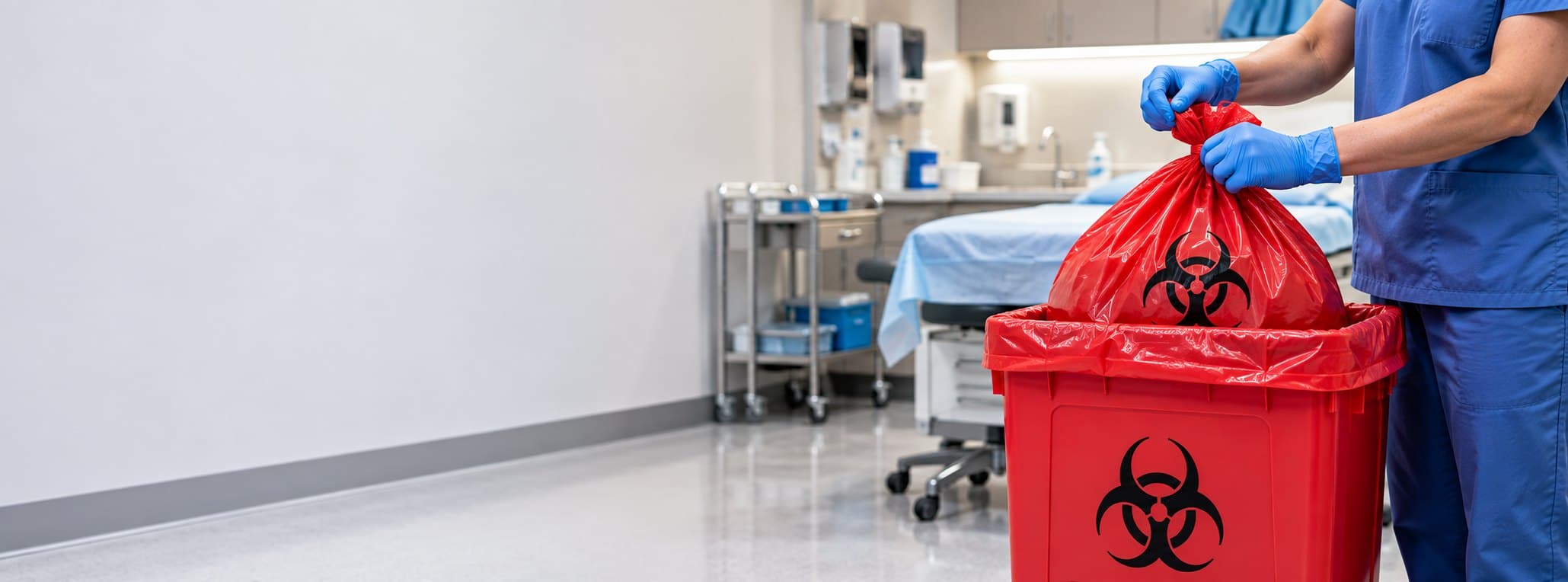
Every business has different biohazard waste disposal needs. With our regulated waste disposal services and compliance management in your corner, you don't have to worry about what to do with bio waste anymore — we take care of everything from collection to decontamination and disposal.

Get the premium service you deserve at an affordable rate. Get a quote now to see how much you could be saving!

Get Your Free Quote

Start with your name and number — it takes about a minute.

No spam, ever. We'll only use this to follow up on your quote.

This site is protected by reCAPTCHA and the Google Privacy Policy and Terms of Service apply.

Prefer to talk? Call (888) 641-6131
  • BBB A+ Rated
  • 40,000+ Facilities Served
  • Since 2009
  • 99% On-Time Service
  • Save an Average of 30%

Quick Answer

Biohazard waste is any waste contaminated — or potentially contaminated — with blood, body fluids, or other infectious material that could transmit disease to people, animals, or the environment. In U.S. workplaces, OSHA calls it “regulated waste” and requires it to be kept in closable, leak-resistant containers marked with the biohazard symbol or colored red; the Department of Transportation governs how it is packaged for transport; and state agencies govern how it is treated and disposed of.

Of healthcare waste is general, non-hazardous waste (WHO)
85%
Is hazardous — infectious, toxic, or radioactive (WHO)
15%
Year OSHA issued the Bloodborne Pathogens Standard
1991
Healthcare facilities served by MedPro Disposal
40,000+
States covered by MedPro Disposal's hauling network
48
Biohazard Waste, Defined

What Is Biohazard Waste?

A plain-language definition, and the exact test OSHA uses.

Biohazard waste is any waste contaminated with potentially infectious agents or materials that may pose a threat to public health or the environment. In healthcare, that means waste carrying blood or other potentially infectious materials (OPIM) — which can transmit bloodborne pathogens such as hepatitis B, hepatitis C, and HIV — along with sharps, pathological tissue, and microbiological cultures. Because it can make people sick, it's collected, contained, transported, and treated under stricter rules than ordinary trash.

How OSHA Defines It

OSHA's Bloodborne Pathogens Standard (29 CFR 1910.1030) uses the term “regulated waste” and defines it as: liquid or semi-liquid blood or OPIM; contaminated items that would release blood or OPIM in a liquid or semi-liquid state if compressed; items caked with dried blood or OPIM that could release it during handling; contaminated sharps; and pathological and microbiological wastes containing blood or OPIM.

Biohazard vs. Medical vs. Regulated Medical Waste

The terms overlap. “Biohazard,” “biomedical,” and “infectious” waste are everyday names for the infectious portion of healthcare waste. “Medical waste” is the broader category that can also include pharmaceuticals and chemicals. “Regulated medical waste” (RMW) is the term used by the DOT and many states, while OSHA's workplace standard says “regulated waste.”

Sources of Biohazard Waste

How Is Biohazard Waste Generated?

According to the World Health Organization, about 85% of the waste generated by healthcare activities is general, non-hazardous waste. The remaining portion is hazardous material that may be infectious, toxic, or radioactive — and that's the stream that needs specialized handling.

Biohazard waste — also called “bio-waste” or “biomedical waste” — is generated anywhere people or animals are diagnosed, treated, tested, or studied. It can also be present at the scene of a violent crime, industrial accident, or trauma.

  • Hospitals & clinics
  • Physician & dental offices
  • Nursing homes & home health
  • Medical research laboratories
  • Schools & universities
  • Mortuaries, autopsy centers & funeral homes
  • Blood banks & collection services
  • Veterinary offices & animal hospitals
  • Animal shelters
  • Jails & prisons
  • Casinos
Waste Streams

The Six Categories of Biohazard Waste

Each category has its own container and, often, its own treatment method.

Liquid Biohazardous Waste

Blood, blood products, and body fluids in quantity — suction canisters, drained fluids, and specimen tubes. Must be held in sealed, leak-proof containers.

Pathological Waste

Human tissues, organs, and body parts removed during surgery, biopsy, or autopsy. Typically kept separate and sent for incineration rather than autoclaving.

Microbiological Waste

Cultures and stocks of infectious agents, plus the disposable culture dishes and devices used to transfer, inoculate, or mix them — common in laboratories.

Animal Waste

Carcasses, body parts, and bedding from animals that were exposed to infectious agents during research or testing.

Clearing Up Confusion

Biohazard Waste vs. Other Healthcare Waste Streams

Mixing streams is the most common — and most expensive — segregation mistake. Here's where each type belongs.

Biohazard Waste vs. Other Healthcare Waste Streams
Waste StreamExamplesContainerTypical Treatment
Solid & liquid biohazard wasteSaturated gauze, contaminated PPE, suction canisters, culturesRed bag inside a rigid, labeled box or binAutoclave (steam sterilization)
SharpsNeedles, lancets, scalpels, contaminated broken glassPuncture-resistant, leakproof sharps containerAutoclave or incineration
Pathological wasteTissue, organs, body partsLeak-proof, labeled container kept separateIncineration
Pharmaceutical wasteExpired or unused medications, including controlled substancesPharmaceutical waste containerReverse distribution or licensed incineration
Regular trashClean packaging, paper, uncontaminated glovesStandard waste binMunicipal landfill
Interactive Guide

Is it biohazard waste? Try OSHA's squeeze test.

Under OSHA's definition, the question is whether an item would release blood or other infectious material if compressed — or is caked with dried material that could flake off. Pick an item to see where it belongs.

Gauze saturated with blood goes in

Red bag in a rigid, labeled container

Biohazard (Regulated Medical Waste)

It would release blood if compressed — that meets OSHA's definition of regulated waste.

View the full medical waste segregation chart
Medical waste segregation chart
ItemWaste streamContainer
Gauze saturated with bloodBiohazard (Regulated Medical Waste)Red bag in a rigid, labeled container
Bandage with a small dried spotRegular TrashStandard waste bin
Suction canister with fluidsBiohazard (Regulated Medical Waste)Red bag in a rigid, labeled container
Culture plates & stocksBiohazard (Regulated Medical Waste)Red bag in a rigid, labeled container
Tissue from a biopsyPathological WasteSeparate leak-proof pathological container
Used needle or syringeSharps WastePuncture-resistant sharps container
Broken blood collection tubeSharps WastePuncture-resistant sharps container
Expired medicationsNon-Hazardous Pharmaceutical WasteBlue (or blue & white) pharmaceutical container
Clean glove wrappers & packagingRegular TrashStandard waste bin

General guidance based on OSHA 29 CFR 1910.1030. Some states define medical waste more broadly — your MedPro account team will confirm what applies to your facility during setup.

Labeling & Containment

How Biohazard Waste Must Be Contained and Labeled

OSHA spells out exactly how biohazard waste is contained and marked in the workplace.

These requirements come from OSHA's Bloodborne Pathogens Standard (29 CFR 1910.1030) and, once waste leaves your facility, from DOT packaging rules (49 CFR 173.197).

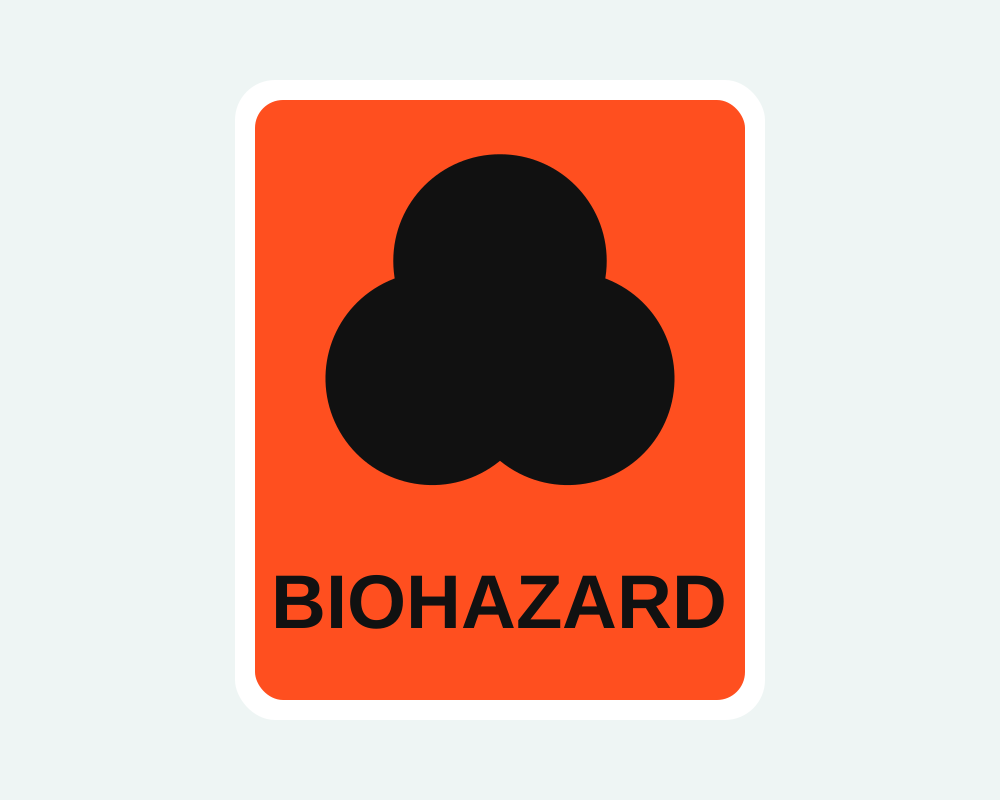
  • Labels must show the biohazard symbol and the word “BIOHAZARD,” and be fluorescent orange or orange-red with lettering and symbols in a contrasting color.
  • Red bags or red containers may be used instead of labels.
  • Containers must be closable, built to contain all contents and prevent leakage during handling, storage, transport, or shipping, and closed before they're removed.
  • If the outside of a container becomes contaminated, it goes inside a second container that meets the same requirements.
  • Sharps containers must be closable, puncture resistant, leakproof on the sides and bottom, kept upright, and replaced before they overfill.
  • For transport, regulated medical waste must ship in rigid, UN-standard packaging that meets Packing Group II performance.
Fluorescent orange-red biohazard warning label with the universal biohazard symbol
Governing Law

Who Regulates Biohazard Waste?

  1. Level 1 — Federal

    Federal Agencies

    • OSHA 29 CFR 1910.1030
    • DOT 49 CFR 173.197
    • EPA
    • CDC Guidance

    OSHA protects workers who handle the waste; DOT governs packaging and transport; EPA and CDC provide treatment and infection-control guidance.

  2. Level 2 — State

    State Agencies

    • Health Dept.
    • Environmental Agency
    • Generator Rules

    States regulate treatment, disposal, storage limits, and hauler permits — and many are stricter than federal minimums.

  3. Level 3 — Facility

    Your Facility

    • Exposure Control Plan
    • Staff Training
    • Records

    Your written plan, training, and documentation have to satisfy both layers above.

Federal Framework

OSHA's Bloodborne Pathogens Standard (29 CFR 1910.1030) covers how biohazard waste is contained, labeled, and handled at work. OSHA requires that disposal follow applicable federal, state, and local regulations, which is why treatment and disposal rules come mainly from the states. Once waste leaves your building, the DOT's Hazardous Materials Regulations govern how it's packaged and shipped.

What Your Facility Must Do

Keep a written exposure control plan and review it at least annually; train exposed employees at initial assignment and at least annually; segregate and contain waste at the point of generation; and use a licensed hauler and treatment facility, keeping the tracking and treatment records your state requires.

Treatment & Disposal

How Biohazard Waste Is Treated

Steam Sterilization (Autoclaving)

Most solid and liquid biohazard waste and many sharps are autoclaved — exposed to saturated steam at roughly 250–275°F for 30–90 minutes to render them non-infectious. The treated waste is typically shredded and then landfilled. MedPro Disposal favors autoclave-based treatment where available because it is more energy-efficient and produces fewer airborne emissions than incineration.

Incineration & Other Methods

Pathological waste, chemotherapy waste, and certain pharmaceuticals are typically incinerated at licensed facilities under EPA air-quality controls. Alternatives such as chemical disinfection and microwave treatment are used in some states, depending on the waste stream and what the state permits.

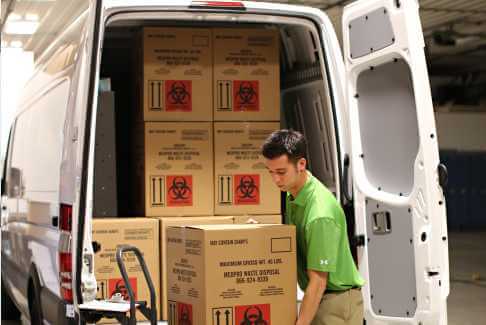
MedPro Disposal technician loading labeled biohazard waste boxes into a service van
Working With MedPro

Biohazard Waste Disposal, Start to Finish

We take care of everything from collection to decontamination and disposal.

  1. 1

    Request a Quote

    Call or submit the online form. We'll respond with a free, no-obligation quote.

  2. 2

    Get the Right Containers

    Red bags, rigid boxes, and sharps containers sized to your volume and waste streams.

  3. 3

    Scheduled Pickup

    A licensed technician collects, labels, and transports your waste on a predictable schedule.

  4. 4

    Compliant Treatment

    Waste is treated at a licensed facility using an approved method for its category.

  5. 5

    Documentation

    You receive records confirming compliant handling — your proof for any inspection or audit.

Compliance Checklist

Is Your Biohazard Waste Program Compliant?

Six requirements that apply to virtually every facility that generates biohazard waste.

Your Self-Check

0/6in place

Tick what your facility already has in place. MedPro can help close the gaps.

Get Compliant Help
Why MedPro Disposal

Biohazard Disposal From a Nationwide, Compliance-First Partner

Average savings vs. prior provider

30%

On-time pickup performance

99%

Liability transfer & insurance coverage

100%

States serviced nationwide

48

Reference

Biohazard Waste Glossary

Biohazard
A biological agent or material — such as blood, body fluids, or cultures — that poses a risk of infection to people, animals, or the environment.
Biohazard Symbol
The universal three-part trefoil symbol required on biohazard labels, shown with the word “BIOHAZARD” on a fluorescent orange or orange-red background.
Bloodborne Pathogens
Microorganisms in human blood that can cause disease, including hepatitis B virus (HBV), hepatitis C virus (HCV), and HIV.
OPIM
Other potentially infectious materials — body fluids such as semen, cerebrospinal, pleural, and amniotic fluid, saliva in dental procedures, any fluid visibly contaminated with blood, and unfixed human tissue.
Regulated Waste
OSHA's term for biohazard waste: liquid or semi-liquid blood or OPIM, items that would release it if compressed or are caked with it, contaminated sharps, and pathological and microbiological wastes.
Regulated Medical Waste (RMW)
The term used by the DOT and many states for infectious healthcare waste that must be specially packaged, transported, and treated.
Pathological Waste
Human tissues, organs, and body parts removed during surgery, biopsy, or autopsy — typically incinerated.
Microbiological Waste
Cultures and stocks of infectious agents and the disposable lab items used to handle them.
Red Bag
A red, leak-resistant bag used to collect non-sharp biohazard waste. Under OSHA, red bags may be used in place of biohazard labels.
Exposure Control Plan
The written plan OSHA requires employers to keep describing how they eliminate or minimize employee exposure to bloodborne pathogens — reviewed at least annually.
Autoclave
Equipment that uses pressurized steam to sterilize biohazard waste, rendering it non-infectious before disposal.
Packing Group II
The DOT performance level that rigid, UN-standard packaging for regulated medical waste must meet for transport.
FAQ

Frequently Asked Questions

Still have a question? Call (888) 641-6131 and talk to a real person.

What is considered biohazard waste?

Biohazard waste is any waste contaminated with blood, body fluids, or other potentially infectious materials that could transmit disease. OSHA's definition covers liquid or semi-liquid blood; items that would release blood if compressed or are caked with dried blood that could flake off; contaminated sharps; and pathological and microbiological wastes. Common examples include saturated gauze, contaminated PPE, suction canisters, cultures, needles, and surgical tissue.

What's the difference between biohazard waste and medical waste?

Biohazard waste is a subset of medical waste. Medical waste is the broad category that can include pharmaceuticals and chemicals; biohazard waste specifically refers to material that contains or may contain infectious agents. For the broader category, see our medical waste disposal guide.

How do I know if something is biohazard waste?

Use OSHA's squeeze test: if an item would release blood or other potentially infectious material in a liquid or semi-liquid state when compressed — or is caked with dried material that could flake off during handling — it's regulated waste. A bandage with a small dried spot generally isn't; gauze saturated with blood is. Some states define medical waste more broadly, so check your state's rules.

What color are biohazard bags and labels?

OSHA requires biohazard labels to be fluorescent orange or orange-red, with the biohazard symbol and the word “BIOHAZARD” in a contrasting color. Red bags or red containers may be used instead of labels, which is why biohazard waste is often called “red bag” waste.

Can biohazard waste go in the regular trash?

No. Untreated biohazard waste must be collected by a licensed hauler and treated — usually by autoclave or incineration — to render it non-infectious before final disposal. Once properly treated, the residue is typically landfilled as ordinary solid waste.

How is biohazard waste disposed of?

It's segregated and contained at the point of generation, picked up by a licensed transporter in DOT-compliant packaging, and taken to a permitted treatment facility. Most is autoclaved (steam-sterilized) and shredded; pathological and chemotherapy waste is typically incinerated. The facility then provides documentation confirming treatment.

How should biohazard waste be stored before pickup?

Keep it in closed, labeled, leak-resistant containers in a secure area away from public access, and close containers before they're moved. How long waste can be stored on-site is set by each state, so your pickup schedule should be built around your state's limit and your generation volume.

Who is allowed to transport biohazard waste?

Biohazard waste must be transported in DOT-compliant packaging — rigid, UN-standard containers that meet Packing Group II performance — and most states require haulers to hold a medical waste transporter permit. MedPro Disposal handles transport through licensed routes and regional hauling partners in 48 states.

Does OSHA require training for staff who handle biohazard waste?

Yes. OSHA's Bloodborne Pathogens Standard requires training at the time of initial assignment and at least annually thereafter, within one year of the previous training — plus additional training when tasks change. MedPro's OSHA compliance training covers this requirement online.

What should I do if a biohazard bag leaks or spills?

Put on appropriate PPE, contain the spill, and place the leaking bag or container inside a second container that is closable, leak-resistant, and labeled. Decontaminate the area with an appropriate disinfectant, and pick up any broken glass with mechanical means — a brush and dustpan, tongs, or forceps — never by hand.

How much does biohazard waste disposal cost?

Cost depends on waste volume, pickup frequency, container size, waste type, and location; pathological and pharmaceutical waste generally cost more to treat than standard biohazard waste. MedPro customers save an average of 30% versus their previous provider — request a free quote for pricing specific to your facility.

Who needs biohazard waste disposal services?

Any organization that generates infectious waste — hospitals, clinics, physician and dental offices, nursing homes, home health providers, laboratories, schools and universities, mortuaries and funeral homes, blood banks, veterinary practices and animal shelters, and even jails, prisons, and casinos.


Request Pricing

Ready to Simplify Your Biohazard Waste Program?

Get a no-obligation quote and see how much your facility could save. Call for a fast, free quote or request pricing online.

Call for Quick Quote(888) 641-6131

Get Your Free Quote

Tell us a bit about your facility and we'll follow up fast.

What services are you interested in?

No spam, ever. We'll only use this to follow up on your quote.

This site is protected by reCAPTCHA and the Google Privacy Policy and Terms of Service apply.