

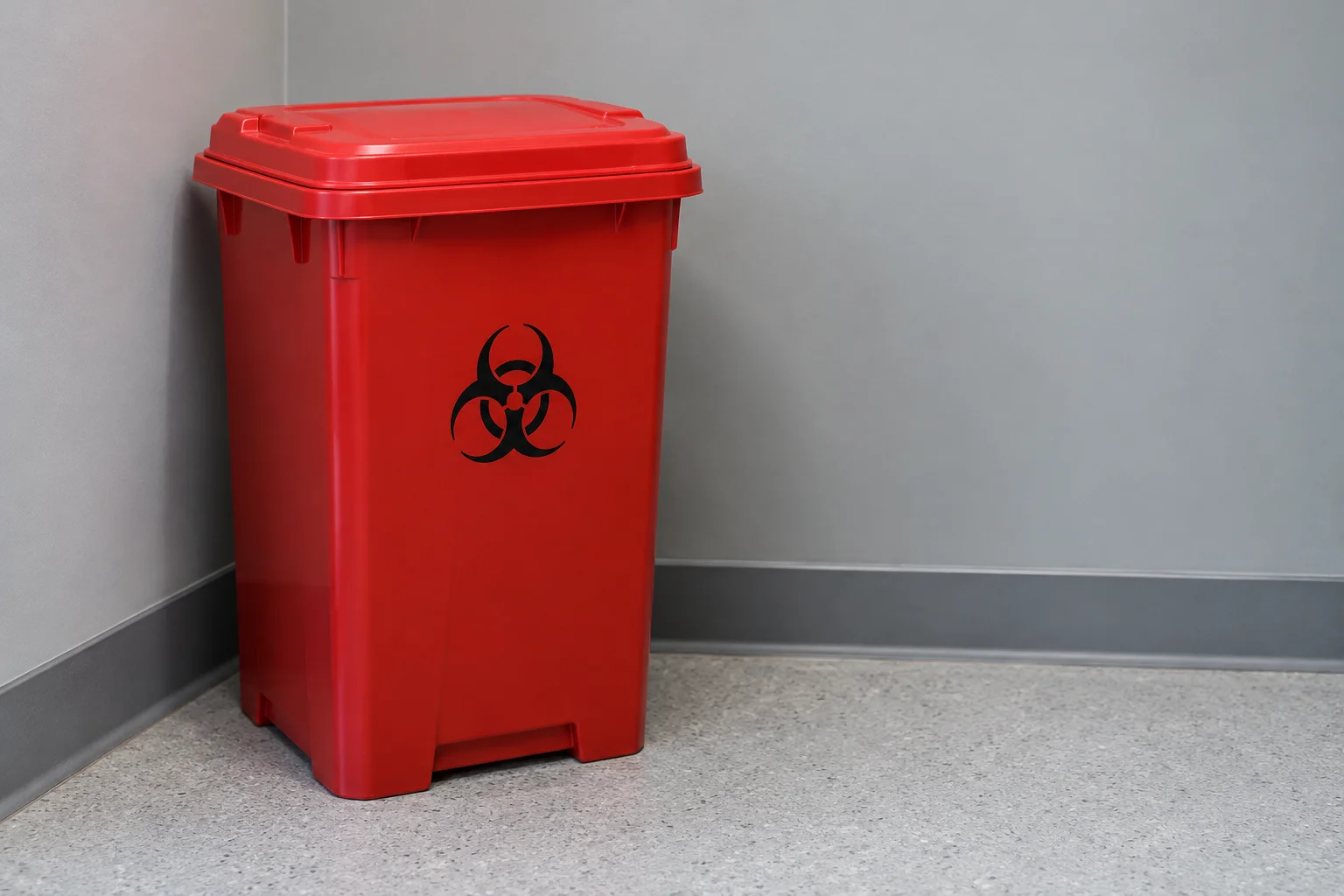
Healthcare is the most necessary and rapidly growing industry in the world. The U.S. national health expenditure reached $4.3 trillion in 2021 and is expected to exceed $6.2 trillion by 2028. As the medical field continues to research, innovate, and provide its services, it is expected that those involved in their daily maintenance and compliance are also experiencing market growth. The medical waste market is projected to grow by $3.3 billion from 2022 to 2027. The question is: what are the factors pushing this expansion?
In This Article
What’s Causing the Medical Waste Market to Skyrocket?
Four medical waste growth factors
- Healthcare Industry Growth
As stated, the growth in the overall healthcare industry is a critical factor. More locations being built and more services being offered will increase the need for medical waste services.
- Population Increase
As modern medicine increases, people can access specialized care like never before. Healthcare facilities are constantly adopting new services for patients of all backgrounds and health issues. The increase in population demonstrates that the healthcare industry is succeeding in providing the necessary care to sustain the longevity of life and raise the average human life span. Poverty levels worldwide have also decreased, allowing more citizens to support themselves financially and get care when needed.
- Technological Advancements
The steady increase in global access to technology has allowed the healthcare industry to make significant changes, such as faster access to accurate patient records, better diagnostics, and software that helps patients and providers connect quickly and efficiently.
- Strict Regulations
Healthcare providers are enforcing stronger regulations regarding medical waste, which has increased the demand for higher-quality services. State environmental and health departments mainly regulate medical waste, so providers must regularly view and keep up with local health requirements. Other agencies such as the CDC (Center for Disease Control), OSHA (Occupational Safety and Health Administration), and the FDA (U.S. Food and Drug Administration) also have regulations set for various locations and departments.
These factors will continue to change and develop with time. Staying current with advancements in the health industry and regulation changes will help you make a top-tier choice. As the healthcare industry grows, it sparks an even greater demand for medical waste providers. Knowing how to choose the right medical waste services that best support your company is essential.
References:
Common Questions
- What counts as medical waste?
- Medical waste is any waste generated during the diagnosis, treatment, or immunization of humans or animals that may be contaminated with blood, body fluids, or other infectious material — including sharps, blood-soaked dressings, cultures, and pathological tissue. Non-contaminated items like standard packaging are not regulated medical waste.
- How much does medical waste disposal cost?
- Cost depends on waste volume, pickup frequency, container size, waste type, and location. Most practices pay a flat monthly or per-pickup rate rather than being billed per pound. Typical monthly costs range from about $50-$200 for small practices and dental offices up to $1,000+ for long-term care facilities, with hospitals and large health systems running $1,000-$50,000+ per month — see our full pricing breakdown by facility type. MedPro customers also save an average of 30% by switching from their previous provider.
- Is medical waste disposal legally required?
- Yes. Any facility generating regulated medical waste must comply with OSHA's Bloodborne Pathogens Standard, applicable EPA/DOT rules, and their state's specific medical waste regulations, which vary by state.
- What's the difference between medical waste and biohazard waste?
- Biohazard waste is a subset of medical waste. Medical waste is the broad category (including sharps and pharmaceuticals); biohazard waste specifically refers to material containing or potentially containing infectious agents.
Want more like this in your Google results?
Add MedPro as a preferred source on Google