
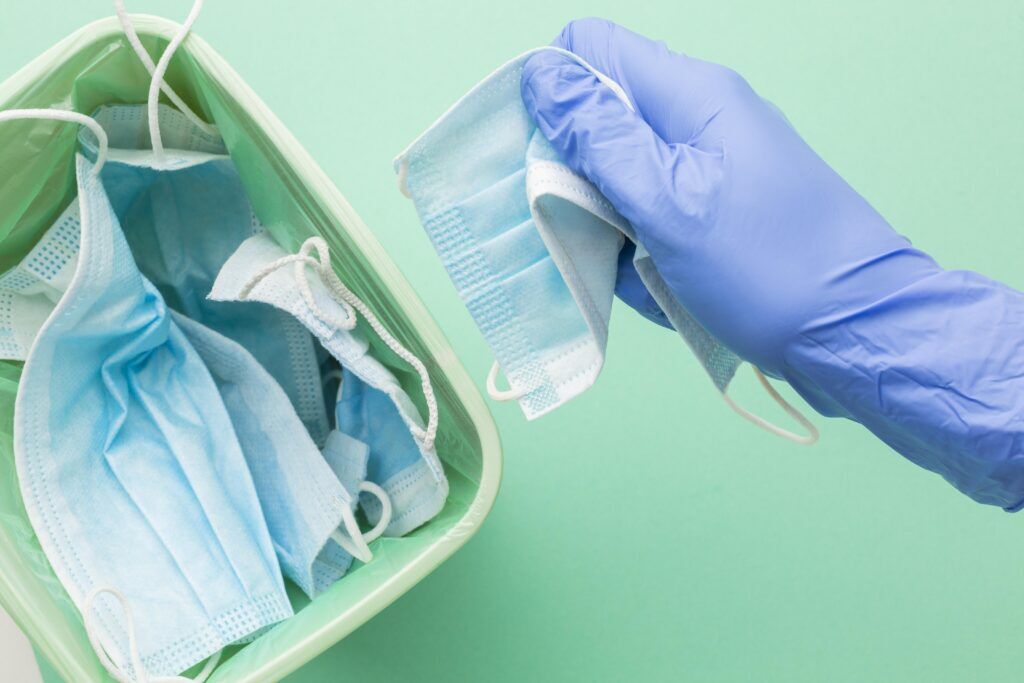
Medical waste is disposed of through licensed treatment facilities that use autoclaving (steam sterilization), incineration, or chemical disinfection. After treatment, non-hazardous residue goes to regulated landfills while hazardous materials require specialized disposal at EPA-approved facilities. The entire process is regulated by federal and state agencies to protect public health and the environment
The Medical Waste Disposal Journey
Understanding where your medical waste goes helps ensure compliance and safety. Here’s the complete path from generation to final disposal.
Step 1: Collection and Transportation
Once you place medical waste in proper containers (sharps containers, red biohazard bags, or yellow bags), licensed medical waste haulers collect it from your facility. These haulers must have:
- Department of Transportation (DOT) permits
- State medical waste transporter licenses
- Properly equipped vehicles with spill containment
- Trained personnel certified in hazardous materials handling
Your medical waste is tracked from pickup using manifest systems that document every step of the journey.
Step 2: Treatment Facilities
Medical waste arrives at one of three types of treatment facilities:
Autoclave Facilities (Most Common)
Autoclaving uses high-pressure steam at 250-270°F to sterilize waste. This process:
- Kills all bacteria, viruses, and pathogens
- Takes 30-60 minutes per load
- Treats approximately 90% of medical waste
- Renders waste unrecognizable and non-infectious
Incineration Plants
High-temperature burning (1,800-2,000°F) completely destroys waste. Used for:
- Pathological waste (body parts, tissues)
- Pharmaceutical waste
- Chemotherapy waste
- Trace chemotherapy-contaminated materials
Chemical Disinfection Systems
Chemical treatment uses solutions like sodium hypochlorite or peracetic acid to disinfect waste. Common for:
- Liquid medical waste
- Laboratory cultures
- Blood and body fluids
Step 3: Final Disposal
After treatment, the waste goes to different locations based on its type:
Non-Hazardous Treated Waste
- Autoclaved waste → Municipal solid waste landfills
- Shredded and unrecognizable
- No longer poses infection risk
- Disposed of like regular trash
Hazardous Waste Residue
- Ash from incineration → Hazardous waste landfills
- EPA-permitted facilities only
- Lined containment areas
- Groundwater monitoring required
Recyclable Materials
- Some plastics and metals recovered after sterilization
- Sent to recycling facilities
- Reduces environmental impact
Where Does YOUR Medical Waste Go?
Your disposal location depends on your waste type and location.
| Waste Type | Treatment Method | Final Destination |
|---|---|---|
| Sharps (needles, syringes) | Autoclaving | Municipal landfill (shredded) |
| Contaminated gloves/gauze | Autoclaving | Municipal landfill |
| Pathological waste | Incineration | Hazardous waste landfill |
| Pharmaceutical waste | Incineration | Hazardous waste landfill |
| Chemotherapy waste | Incineration | Hazardous waste landfill |
| Blood/body fluids | Chemical treatment or autoclaving | Sanitary sewer or landfill |
Treatment Facilities by Region
Medical waste doesn’t travel far – most states have regional treatment facilities.
Midwest Facilities (Including Illinois):
- Autoclave facilities within 50-100 miles of major cities
- Incineration plants in industrial areas
- Average transport time: 24-48 hours from pickup
Your Waste Tracking:
When you use MedPro Disposal, you receive:
- Manifest documentation showing facility name and location
- Treatment method used
- Certificate of destruction
- Compliance documentation for inspections
Regulations Governing Disposal Locations
Multiple agencies control where medical waste can go:
Federal Level:
- EPA: Regulates hazardous waste disposal sites
- DOT: Controls transportation routes and methods
- OSHA: Sets worker safety standards at facilities
State Level:
- Illinois EPA: Licenses treatment facilities
- State health departments: Inspect and approve disposal sites
- Local authorities: Zoning and environmental permits
Facility Requirements:
Treatment facilities must have:
- Air quality permits (for incinerators)
- Wastewater discharge permits
- Groundwater monitoring systems
- Emergency response plans
- Annual inspections and compliance reports
What Happens to Different Medical Waste Types?
Sharps Waste
- Collected in puncture-proof containers
- Transported to autoclave facility
- Steam sterilized at 270°F for 45 minutes
- Mechanically shredded
- Disposed in municipal landfill
Pathological Waste
- Stored in leak-proof containers
- Transported in refrigerated vehicles
- Incinerated at 2,000°F
- Ash tested for hazardous materials
- Ash buried in hazardous waste landfill
Pharmaceutical Waste
- Segregated by drug type
- Transported to incineration facility
- Burned at high temperatures
- Emissions filtered and monitored
- Ash disposed in hazardous landfill
Contaminated PPE
- Placed in red biohazard bags
- Autoclaved or chemically treated
- Shredded to be unrecognizable
- Disposed as regular solid waste
Your Medical Waste Disposal Options
For Healthcare Facilities:
- On-site treatment: Install autoclave system (high upfront cost)
- Pickup service: Scheduled collection by licensed hauler (most common)
- Mail-back programs: Small quantities shipped to treatment facility
For Home Healthcare:
- Mail-back sharps containers: USPS-approved boxes shipped to treatment facility
- Drop-off locations: Pharmacies, hospitals, fire stations with collection programs
- Community collection events: Periodic safe disposal days
For Small Businesses:
- Shared pickup services: Combine with nearby facilities
- On-demand pickup: Call for collection when container is full
- Prepaid container programs: All-inclusive service with MedPro
How to Verify Your Waste is Properly Disposed
Don’t just trust your hauler – verify proper disposal:
Request Documentation:
- Manifest with facility name and address
- Certificate of treatment/destruction
- Treatment method used
- Date of final disposal
Check Facility Credentials:
- State license number
- EPA ID number (for hazardous waste)
- Facility inspection records (public information)
Ask Your Hauler:
- Which facility receives your waste?
- What treatment method is used?
- How long does treatment take?
- Can you tour the facility?
Red Flags:
- Hauler won’t provide facility information
- No manifests or certificates provided
- Prices significantly lower than competitors
- Unlicensed or expired permits
Environmental Impact of Medical Waste Disposal
Modern disposal methods minimize environmental harm:
Autoclaving Benefits:
- No air emissions
- Reduces waste volume by 80%
- Allows some material recycling
- Energy-efficient process
Incineration Concerns:
- Air emissions (but heavily regulated)
- Requires pollution control equipment
- Creates ash requiring disposal
- High energy consumption
Best Practices:
- Segregate waste properly to minimize incineration
- Use reusable items when possible
- Choose haulers with environmental certifications
- Track disposal data to reduce waste generation
Frequently Asked Questions
How long does medical waste disposal take?
From pickup to final disposal: 24-72 hours typically. Autoclaving happens within 48 hours of collection, incineration within 72 hours.
Can I choose where my medical waste goes?
Your hauler determines the facility, but you can request specific treatment methods or facilities. Licensed haulers use permitted facilities only.
Is medical waste disposed of locally?
Most waste is treated within 100 miles of generation. Some specialized waste (radioactive, chemotherapy) may travel farther to specialized facilities.
What happens if waste isn’t disposed of properly?
Improper disposal risks include disease transmission, environmental contamination, legal penalties up to $70,000 per violation, and facility closure.
Can medical waste go to regular landfills?
Only AFTER proper treatment. Untreated medical waste cannot go to municipal landfills. Treated, sterilized waste can be disposed as regular solid waste.
Get Compliant Medical Waste Disposal with MedPro
MedPro Disposal ensures your medical waste reaches licensed treatment facilities safely and legally. We provide:
- Full tracking documentation – Know exactly where your waste goes
- Licensed transportation – DOT and state-permitted haulers
- Certified treatment facilities – EPA-approved autoclaving and incineration
- Compliance support – Manifests and certificates for inspections
- Transparent pricing – No hidden fees or surprise charges


