
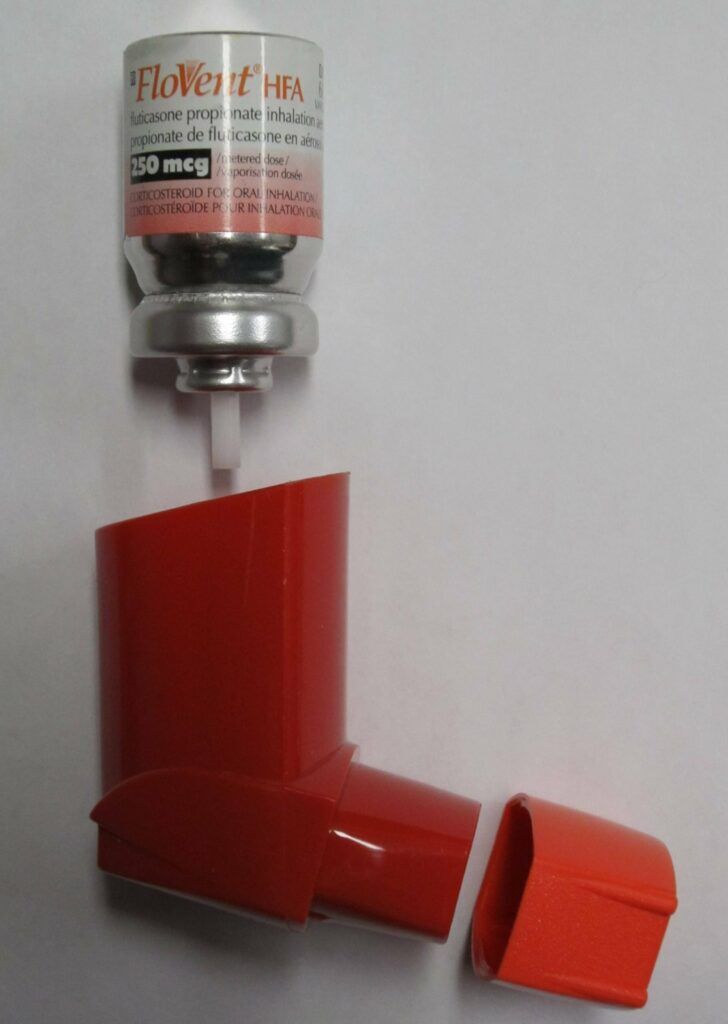
Inhalers are crucial for managing respiratory conditions such as asthma and COPD. However, once these devices reach their expiration date or are no longer needed, handling expired inhalers becomes a significant concern. Most people think you can just toss them in the trash. If you’re here reading this blog, you’re certainly wondering how to properly dispose of your expired inhalers. We urge you, please, do not throw them away!
We urge you, please, do not throw them away!
Do Inhalers Expire?
Yes, inhalers expire. The expiration date is printed directly on the canister and typically falls one year after the inhaler is first used or removed from its foil packaging — whichever comes first. After this date, the active medication begins to lose potency, which can reduce its effectiveness when you need it most.
For albuterol inhalers specifically, the medication can retain partial effectiveness up to one year past the printed expiration date — but potency decreases progressively, and relying on an expired albuterol inhaler during a serious asthma attack or COPD flare carries real risk.
How Long Does an Inhaler Last After Opening?
The answer depends on the inhaler type. Here is a quick reference:
| Inhaler Type | Typical Expiration After Opening | Notes |
|---|---|---|
| Albuterol MDI (ProAir, Ventolin, Proventil) | 1 year after first use | Check printed date on canister |
| Dry Powder Inhaler (Advair Diskus, Ellipta) | 1-3 months after foil removal | Moisture degrades powder quickly |
| Combination Inhalers (Symbicort, Breo) | Per label, typically 1 year | Varies by manufacturer |
| Epinephrine Inhalers (Primatene Mist) | Per label, typically 1 year | Classified as hazardous waste when expired |
What Happens If You Use an Expired Inhaler?
Using an expired inhaler is generally not toxic, but it can be significantly less effective. The active medication — particularly albuterol — degrades over time, meaning you may not receive the full therapeutic dose during an asthma attack or COPD flare. That reduced potency is the primary risk: not poisoning, but undertreated symptoms at exactly the moment you need full relief.
Is It Safe to Use an Expired Albuterol Inhaler?
An expired albuterol inhaler is unlikely to cause direct harm, but it should not be relied upon as your primary rescue medication. Here is what actually happens as albuterol degrades past its expiration date:
- The propellant may lose pressure, resulting in a weaker spray that does not reach deep into the airways.
- The active albuterol compound breaks down, delivering a lower dose than the label indicates.
- The inhaler may feel and sound normal while delivering a fraction of the intended dose — giving false reassurance during a serious episode.
If your only option is an expired albuterol inhaler, use it — but treat it as a temporary measure and seek medical attention immediately. Do not use an expired inhaler as a substitute for a current prescription.
Can You Use an Expired Inhaler in an Emergency?
In a true emergency where no alternative is available, an expired inhaler is better than no inhaler. However, because potency is reduced, you may need additional puffs to achieve the same effect — and even then, full bronchodilation may not occur. Emergency medical services should be contacted immediately if symptoms do not improve.
Once the emergency has passed and you have a replacement prescription, the next question becomes what to do with the expired inhaler. This is where most people make a costly mistake: throwing it in the trash.
Why Proper Inhaler Disposal Matters
Many people don’t realize that inhalers—which seem simple at first glance—are essentially pressurized devices containing medications that may become hazardous under certain conditions. When disposed of incorrectly, these devices can lead to:
- Environmental contamination: Leftover medication can pollute groundwater, soil, and local ecosystems.
- Health and safety hazards: Pressurized canisters can explode if exposed to high temperatures or crushed in trash compactors.
- Legal and regulatory issues: Healthcare facilities must follow specific guidelines; ignoring them can result in fines or other penalties.
These concerns underscore the need for understanding how to dispose of expired inhalers responsibly.
Classifying Expired Inhalers as Waste
The first step in safe inhaler disposal is determining whether they’re pharmaceutical waste or hazardous waste inhalers. This classification depends on the type of medication and propellant involved.
Inhalers as Pharmaceutical Waste
Not all inhalers fall under the umbrella of hazardous waste. Many are simply considered pharmaceutical waste because the medication and propellant do not meet criteria for hazardous classification.
- Typical Medications: Albuterol inhalers often contain non-hazardous formulations, making them pharmaceutical (rather than hazardous) waste.
- Dry Powder Inhalers (DPIs): These typically contain medication in a dry form without pressurized propellants, so they’re often managed as pharmaceutical waste—though local regulations can differ.
- State-Specific Rules: Some states have tailored guidelines for the disposal of non-hazardous pharmaceutical waste, which can impact how inhalers should be labeled and managed.
Inhalers as Hazardous Waste
Certain inhalers have components that qualify them for hazardous waste status under federal and state regulations, particularly when the propellant or medication is considered dangerous.
- Hazardous Ingredients: If an inhaler contains flammable or toxic substances, such as chlorofluorocarbons (CFCs), hydrofluorocarbons (HFCs), or specific medications (e.g., epinephrine), it may be categorized as hazardous.
- Flammable Propellants: CFCs and HFCs are often flammable or harmful to the ozone layer. Inhalers with these propellants have stricter disposal requirements.
Toxic Medications: Medications like isoproterenol or epinephrine can pose toxicity risks, classifying them as hazardous under the Resource Conservation and Recovery Act (RCRA).
Why Expired Inhalers Shouldn’t Go in the Trash
If an inhaler has expired, many people assume it’s safe to simply discard it with regular household waste. However, several factors make this a risky approach.
Residual Medication Risks
Even if an inhaler has “expired,” it often contains leftover medication. Studies show that up to 29% of the medication can remain unused in some models.
- Pharmaceutical Contamination: Rainwater or other moisture in landfills can dissolve residual medication, allowing these chemicals to filter into local water systems.
- Impact on Wildlife: Traces of pharmaceuticals in waterways can lead to hormonal imbalances and other health issues in fish and other aquatic organisms.
- Human Health Concerns: Repeated exposure to low levels of medication in drinking water raises concerns about antibiotic resistance and other long-term health effects.
Pressurized Containers
Inhalers typically rely on pressurized canisters to deliver medication effectively. When thrown into the trash, these canisters can become explosive hazards.
- Risk of Explosion: The pressure inside the canister can cause it to burst when compressed by garbage trucks or exposed to high heat.
- Harm to Sanitation Workers: Exploding canisters can release harmful gases or debris, putting waste management employees at risk.
- Unpredictable Outcomes: When an inhaler ruptures, the propellant may be released in a forceful burst that can scatter material and chemicals widely.
Environmental Damage
Improper inhaler disposal has broader ecological impacts, including greenhouse gas emissions and plastic pollution.
- Greenhouse Gas Emissions: Hydrofluoroalkanes (HFAs), although less damaging to the ozone layer than older CFCs, are still potent greenhouse gases contributing to climate change.
- Accumulation in Landfills: Inhaler components, including plastics, may not break down for hundreds of years. The cumulative effect of millions of discarded inhalers exacerbates landfill overcrowding.
The Right Way to Dispose of Expired Inhalers
Believe it or not, inhalers cannot be disposed of in your medical waste disposal box, pharmaceutical disposal box or sharps container. Most inhalers are considered hazardous waste, and the easiest way to safely dispose of them is giving them to your local pharmacy, or using a provider like MedPro Disposal to handle your hazardous waste disposal safely and compliantly.
Find Out How Much You Can Save Instantly.
Try our on-line savings calculator.
Environmental and Health Benefits of Proper Disposal
The environmental footprint of improper inhaler disposal is significant and often underestimated.
Greenhouse Gas Emissions
Many inhalers use hydrofluoroalkanes (HFAs) as propellants. While these are safer for the ozone layer than older chlorofluorocarbon (CFC) propellants, they are still potent greenhouse gases. Here’s the scale of the problem:
- 5 Million Tons of CO2 Annually: Inhaler-related emissions contribute to about 5 million tons of carbon dioxide equivalent (CO2e) each year. The National Library of Medicine reports that Inhalers, particularly those utilizing hydrofluoroalkane (HFA) propellants, account for nearly 7% of the total carbon footprint in the pharmaceutical sector, underscoring their substantial role in healthcare-related CO₂ emissions
- Global Warming Impact: When inhalers are broken or improperly disposed of, HFAs can escape into the atmosphere, accelerating climate change.
Landfill Accumulation
Improper disposal also contributes to the growing issue of non-biodegradable waste:
- Plastic Components: The plastic used in inhalers doesn’t break down quickly, adding to the long-term waste problem in landfills.
Cumulative Impact: With millions of inhalers being used globally each year, their accumulation in landfills poses a significant challenge for waste management systems. of inhaler explosions in trash compactors, you protect sanitation workers and the general public.
Our Specialized Medical Waste Disposal Services
When it comes to safe inhaler disposal for healthcare facilities, we provide solutions tailored to your specific needs. Here’s what sets us apart:
Personalized Compliance Management
Our team stays on top of regulatory changes, ensuring your facility is always compliant. We handle the complex logistics of hazardous waste disposal so you can focus on patient care.
Cost-Effective Solutions
Through constant market monitoring, we secure the best pricing for our services. You’ll save time and money while ensuring top-quality waste disposal .
Flexible Pickup Schedules
Whether your facility generates a small or large volume of inhalers, we adapt our services to match your schedule. This minimizes disruptions and ensures timely waste removal.
Eco-Friendly Disposal Practices
We are committed to reducing the environmental impact of hazardous waste. Our disposal methods prioritize sustainability without compromising safety.
Partner with Us for Seamless Inhaler Disposal
Disposing of expired inhalers is more than a regulatory requirement—it’s an ethical responsibility. For healthcare facilities and organizations, partnering with a professional medical waste disposal service ensures compliance, safety, and environmental protection.
With our expertise, flexible solutions, and dedication to sustainability, we make inhaler disposal hassle-free. Contact us today to learn how we can help your facility manage hazardous waste efficiently and responsibly.
Frequently Asked Questions About Expired Inhaler Disposal
Do inhalers expire?
Yes. All inhalers carry a printed expiration date on the canister. Most expire one year after first use or removal from protective packaging. After this date, the medication loses potency and the inhaler should be replaced and disposed of properly.
Can you use an expired inhaler?
An expired inhaler is generally not dangerous to use, but it may be significantly less effective. The active medication degrades over time, which means you may not receive the full dose needed to relieve symptoms. It should not be used as a regular treatment option once expired.
What happens if you use an expired inhaler?
The medication in an expired inhaler loses potency over time. This means the inhaler may deliver a weaker dose than indicated on the label, potentially leaving respiratory symptoms undertreated. In a serious asthma attack or COPD flare, this reduced effectiveness can be dangerous.
Can I use an expired albuterol inhaler in an emergency?
In a true emergency with no alternative available, an expired albuterol inhaler is better than nothing. However, potency is reduced, so it may not fully open the airways. Seek emergency medical attention immediately if symptoms do not improve after use.
Should I throw away an expired inhaler?
No. Expired inhalers contain pressurized canisters and residual medication that make them unsuitable for regular trash disposal. The canister can explode in a garbage truck, and residual medication can contaminate groundwater. Return them to a pharmacy take-back program or work with a licensed medical waste disposal provider.
What is the proper way to dispose of inhalers?
Inhalers should be returned to a pharmacy take-back program, dropped at a household hazardous waste facility, or managed through a licensed medical waste disposal service. Healthcare facilities generating multiple inhalers regularly should work with a compliant provider like MedPro Disposal to ensure safe, regulated removal.
Are expired inhalers considered hazardous waste?
Many inhalers — particularly those containing flammable propellants like HFCs or medications such as epinephrine — are classified as hazardous waste under federal and state regulations. Even inhalers classified as pharmaceutical waste require compliant disposal and cannot go in regular trash or standard medical waste containers.
Image source: Wikipedia


