


Managing biohazardous waste is an overwhelming challenge, and healthcare facilities and practices continue to have misconceptions about biohazardous waste disposal services. In the process, they make costly mistakes.
In This Article
What Facilities Get Wrong About Biohazard Waste Disposal Services (And Why It Matters)
Healthcare facilities manage diverse waste streams, but biohazard waste presents unique complexities. Despite strict regulations, many facilities still fall short in managing biohazard waste.
These oversights often stem from outdated medical waste disposal practices. Other factors include the lack of staff training, biohazard waste segregation, and documentation.
Improper Use of Biohazard Disposal Containers
Believe it or not, but improper use of biohazard disposal containers is more prevalent than you think. Many facilities use the incorrect types of biohazard disposal containers.
This leads to compromised containment and increased risk of spills. It can cause accidental exposure during handling and transport.
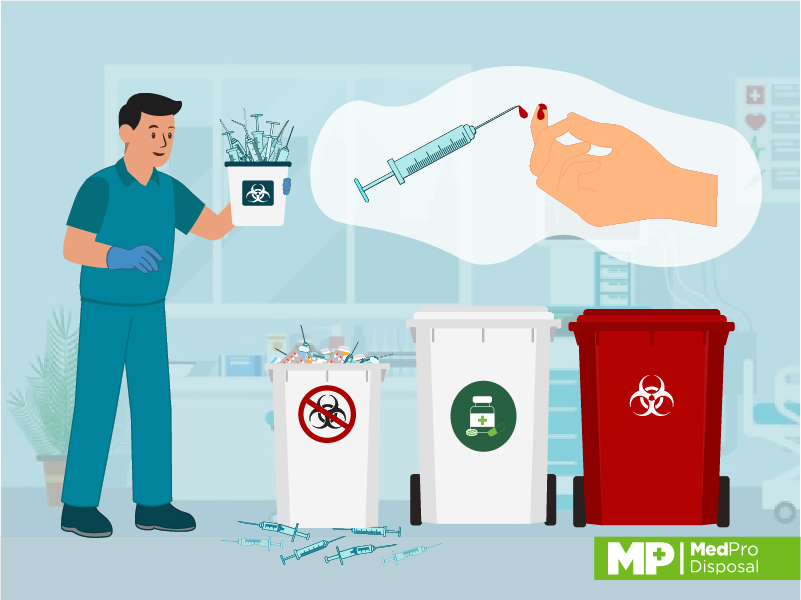
For example, using trash bags for sharps or biohazardous liquids is dangerous. They don’t offer adequate puncture resistance or leak protection. Placing sharps in general waste bins increases needlestick injuries and is a huge regulatory violation.
The Costly Mistake of Mixing Specialized Waste Streams
Mixing specialized waste streams creates dangerous situations. Pharmaceuticals, mercury-containing items, or pathological waste, to name a few, are dangerous. Store them apart from your general biohazardous waste.
They also complicate transport and increase treatment costs. Mixed waste poses heightened risks to public health and the environment. Regulatory bodies like OSHA, EPA, and the DOT can and will impose severe penalties for waste mixing.
How Documentation Gaps in Biohazard Waste Disposal Hurt Compliance
Documentation gaps in biohazard waste disposal services can create significant problems. It leads to tracking issues and turns minor oversights into major compliance gaps.
Maintaining accurate records is crucial. But many facilities struggle with documentation. Inadequate records invite closer scrutiny from regulatory agencies like OSHA, EPA, and state regulations. This results in substantial fines and legal complications.
Unsafe Handling Practices That Put Staff at Risk
Many facilities allow unsafe handling practices in areas where biohazard waste is handled or stored. These include eating, drinking, or applying cosmetics in waste handling areas.
Attempting to open or rearrange these containers without proper training is reckless. So is neglecting to wear proper personal protective equipment (PPE).
These unsafe practices increase the risk of accidental exposure. Sharps and needlestick injuries are vectors for the spread of infection. They directly impact staff well-being, patient safety, and your facility’s safety record.
Plus, the fines are huge. Biohazard waste disposal services violations range from $5,000 to $10,000 per infraction.
What Is the Best Disposal Method of Biohazardous Waste?
Proper disposal of biohazardous waste depends on the type of waste and the facility generating it. The most recommended methods include:
- Autoclaving: Using steam sterilization to decontaminate infectious waste.
- Incineration: Using high-temperature destruction for pathological and pharmaceutical waste.
- Chemical treatment: Using chemical agents to break down or decontaminate hazardous components in biohazardous liquid waste.
- Encapsulation: Using the correct biohazard disposal containers for the type of solid waste.
How Do You Deal with Biohazard Waste?
- Proper Biohazard Disposal Containers: Use specific, color-coded containers designed for different waste streams. Use puncture-resistant sharps containers for needles and scalpels. Use red biohazard disposal containers for infectious waste.
- Pharmaceutical waste has its specialized containers. Proper labelling identifies contents, streamlines disposal, and prevents dangerous mix-ups
- Separate Specialized Waste: Waste like sharps, chemotherapy waste, hazardous pharmaceuticals, or mercury-containing devices are specialized streams. Keep these waste streams separate from general biohazardous waste.
- Maintain Accurate Records: Document your waste types, volumes, and disposal dates. Keeping detailed, audit-ready records of the biohazard waste disposal services you hire also ensures compliance. Documentation provides a verifiable chain of custody and demonstrates compliance.
- Enforce PPE Use and Safety Protocols: Appropriate protective gear is essential. Require all staff handling biohazardous materials to wear PPE—gloves, gowns, and eye protection. Establish clear spill response protocols, too. This minimizes exposure risks and ensures a safe working environment.
- Inspect Waste Areas Frequently: Establish an inspection schedule of all biohazard waste areas. Identify and correct issues before they escalate. Ensure your containment equipment is in good condition. Replace damaged biohazard disposal containers to prevent potential injury, contamination, or leaks.
Why Staff Training Is Non-Negotiable
Staff training ensures your team understands the responsibilities associated with biohazard waste disposal services. It helps improve safety and supports a culture of compliance.
Comprehensive and ongoing staff training is the bedrock of effective biohazard waste management. It empowers your team and helps minimize errors. It cultivates a robust safety culture within your facility.
Facility-Specific Disposal Methods
- Healthcare and Hospital Facilities: As large-scale operations, they require high-capacity biohazard waste disposal services for diverse streams. That includes using specialized vehicles and advanced treatment methods to ensure handling.
- Long-term Care Settings: Nursing homes need reliable and flexible biohazard waste disposal services. These facilities get specially designed biohazard disposal containers for discretion. Non-clinical caregivers need to undergo waste disposal training, too.
- Dental, Doctor, and Medical Clinics: Medical offices are small volume generators. They generate sharps, limited biohazardous waste, and some pharmaceutical waste. Clinics would only require compact sharps containers, pharmaceutical take-back programs, and small-volume pickups.
- Pharmacies and Surgical Centers: Both handle unique waste streams. They require pharmaceutical disposal (for expired and controlled medication), sharps, and trace chemotherapy waste. They need specialized containers for secure disposal. Both require prompt biohazard waste disposal services for compliant waste management.
- Funeral Homes and Autopsy Facilities: Handles sensitive pathological waste. They need biohazard waste disposal services providers that can provide discrete, compliant, and dignified collection and transport. The treatment method is often incineration.
What Is the Difference Between Biohazardous and Hazardous Wastes?
Understanding the distinction between these two waste types is essential for compliance:
- Biohazardous Waste: Includes materials contaminated with blood, body fluids, or infectious agents (e.g., sharps, cultures, surgical waste).
- Hazardous Waste: Includes chemicals, solvents, and materials that are toxic, flammable, or reactive (e.g., mercury thermometers, certain pharmaceuticals).
Why the Distinction Matters for Compliance and Safety
Correctly identifying and managing both types of waste is important for several reasons:
- Regulatory Compliance: misclassify waste, and you risk steep penalties from OSHA, the EPA, and state health regulators.
- Safety Protocols: Proper classification ensures staff use appropriate PPE and follow correct safety measures and disposal processes.
- Disposal Methods: Treatment and disposal methods differ. Biohazardous waste requires sterilization to neutralize infectious agents. Hazardous waste requires specific chemical treatment. Get it wrong and that can lead to environmental contamination or public health crises.
Biohazard Waste Disposal Made Safe and Easy
Getting biohazard waste disposal right matters. Improper handling and storage can lead to serious risks. Ignoring proper disposal can put your staff, patients, and facility at risk. But trusted help is available; MedPro has you covered.
MedPro Disposal helps you stay safe and compliant. Since 2009, we have served over 40,000 healthcare providers across 48 states. We offer safe, compliant biohazard waste disposal.
Plus, we also offer data & document destruction and compliance training. Most of all, we provide dedicated and personalized client support.
MedPro also takes full title and liability for your biohazardous waste. We back that up with $33 million in insurance coverage. Whether you run a large system or a small clinic, MedPro gives you the protection and service you can count on.
Ready to streamline your biohazard waste management?
Call us today at 888-641-6131 to get your free custom quote.
Request my free quote
Common Questions
- What is considered biohazard waste?
- Biohazard waste is any waste contaminated with blood, body fluids, or other potentially infectious materials that could transmit disease. OSHA's definition covers liquid or semi-liquid blood; items that would release blood if compressed or are caked with dried blood that could flake off; contaminated sharps; and pathological and microbiological wastes. Common examples include saturated gauze, contaminated PPE, suction canisters, cultures, needles, and surgical tissue.
- What's the difference between biohazard waste and medical waste?
- Biohazard waste is a subset of medical waste. Medical waste is the broad category that can include pharmaceuticals and chemicals; biohazard waste specifically refers to material that contains or may contain infectious agents. For the broader category, see our medical waste disposal guide.
- How much does biohazard waste disposal cost?
- Cost depends on waste volume, pickup frequency, container size, waste type, and location; pathological and pharmaceutical waste generally cost more to treat than standard biohazard waste. MedPro customers save an average of 30% versus their previous provider — request a free quote for pricing specific to your facility.
- Who needs biohazard waste disposal services?
- Any organization that generates infectious waste — hospitals, clinics, physician and dental offices, nursing homes, home health providers, laboratories, schools and universities, mortuaries and funeral homes, blood banks, veterinary practices and animal shelters, and even jails, prisons, and casinos.
Want more like this in your Google results?
Add MedPro as a preferred source on Google