
Lisinopril is a popular generic ACE inhibitor, used for high blood pressure management and the treatment of other cardiac problems. Side effects can be serious and involve the kidneys, liver, fetal toxicity, low blood pressure, edema, and anaphylactoid reactions. Because of this, careful monitoring is important.
Find all top-line Lisinopril facts below, including definition, appearance, warnings, interactions, contraindications, precautions, dosage, and more.
What Is Lisinopril Used For? (3 FDA-Approved Uses)
Lisinopril is a popular generic Angiotensin Converting Enzyme inhibitor (or ACE inhibitor).
It’s used for high blood pressure management for anyone over the age of six.
It’s also used to improve survival changes after a heart attack and as a congestive heart failure treatment.
It has several side effects, having to do with kidney function, liver function, and edema.
What Does Lisinopril Do?
Lisinopril works by blocking the angiotensin-converting enzyme (ACE), which is responsible for producing angiotensin II – a hormone that causes blood vessels to narrow and constrict. By inhibiting this enzyme, lisinopril allows blood vessels to relax and widen, which reduces blood pressure and decreases the workload on the heart.
At 10 mg, lisinopril produces roughly an 8-point reduction in systolic blood pressure. At 20 mg, that increases to approximately 14 points. This stronger effect is the therapeutic goal – but it also means the margin for side effects like dizziness and low blood pressure narrows at higher doses.
This same mechanism explains why lisinopril affects kidney function. The kidneys rely on angiotensin II to regulate filtration pressure. When lisinopril blocks ACE, it changes how the kidneys manage blood flow – which is protective in some patients (like those with diabetic kidney disease) and harmful in others (like those with blocked renal arteries). See the full kidney section below for details.
Appearance of Lisinopril
Lisinopril comes in lots of different shapes and sizes depending on dosage and manufacturer. The image below shows only a few.
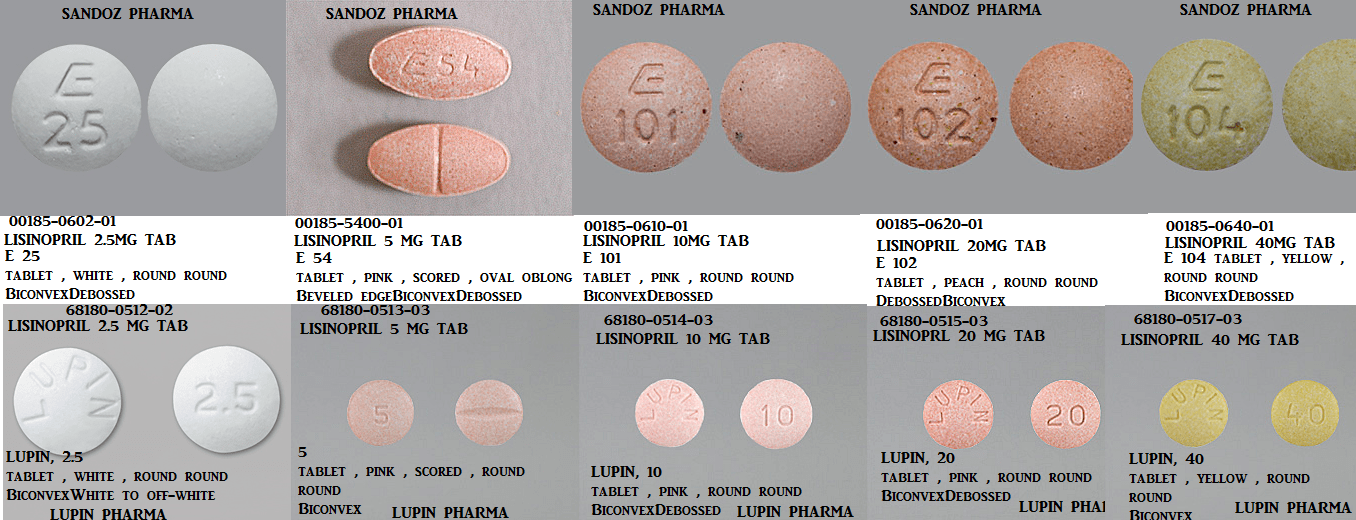
Brand Names for Lisinopril are Prinivil, Zestril, and Qbrelis.
Available Dosage Sizes: 5 mg, 10 mg, 20 mg
Uses of Lisinopril
Lisinopril is an Angiotensin Converting Enzyme or ACE inhibitor, used for:
Lowering High Blood Pressure in patients six years old or older. Lisinopril is used with the goal of decreasing mortality risk for those at highest risk. The goal is to decrease the chance of serious and/or fatal cardiovascular events, mostly including strokes and myocardial infarctions.
Acute Myocardial Infarction Recovery. Lisinopril is used to lower mortality risk in stable patients 24 hours after an event, as one component of overall recovery therapy.
Heart Failure. Lisinopril is used to decrease heart failure signs and symptoms in patients who don’t respond well to digitalis and diuretics.
Is Lisinopril Bad for Your Kidneys? What the Research Shows
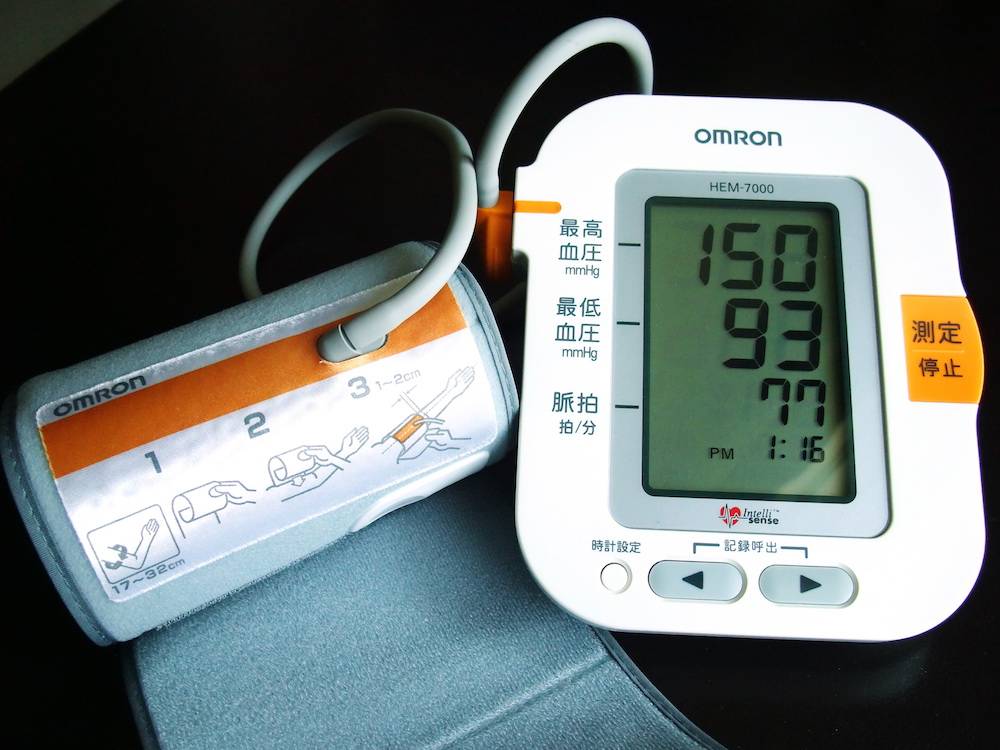
Lisinopril can cause several kidney-related and other health problems. These include Fetal Toxicity, Impaired Renal Function, Angioedema and Anaphylactoid Reactions, Hyperkalemia, Hypotension, and Hepatic Failure.
Because of these risks, it’s vital to monitor:
- Renal function. Lisinopril can cause acute renal failure in some cases.
- Pregnancy status, such as with frequent pregnancy tests. If pregnancy is detected, discontinue Lisinopril as soon as possible, because of the risk to fetal renal function.
- Serum potassium. ACE inhibitors like Lisinopril can cause hyperkalemia, especially in those with diabetes mellitus and other conditions.
- Blood pressure, especially in patients at risk of hypotension from dialysis or conditions like ischemic heart disease.
- Watch for signs of jaundice, since ACE inhibitors can cause elevated hepatic enzymes and jaundice in some patients.
- Watch for changes in facial appearance, airway, abdominal pain, vomiting, and anaphylactoid reactions. Lisinopril can cause angioedema of the head, neck, and intestines in some cases. It can also cause anaphylactoid reactions during either dialysis or toxin desensitization.
What Are the Most Serious Lisinopril Warnings?
Lisinopril can cause several adverse reactions, mostly stemming from renal impairment or anaphylaxis. To lower the risks, see the facts in the “What to Monitor” section above. The list of warnings includes:
Fetal Toxicity. Lisinopril can adversely affect fetal renal function, increasing morbidity.
Impaired Renal Function. Lisinopril can cause changes in renal function, including acute renal failure.
Angioedema and Anaphylactoid Reactions. ACE inhibitors can cause angioedema of the extremities, head, face, and intestines, especially in patients with a history of airway surgery. It can also cause anaphylactoid reactions in some patients.
Hyperkalemia. Lisinopril can cause high blood potassium, especially in those with reduced kidney function or those taking potassium supplements.
Hypotension. Lisinopril can cause dangerously low blood pressure, especially for renal dialysis patients, high-dose diuretic therapy patients, or those with ischemic heart disease.
Hepatic Failure. ACE inhibitors like Lisinopril can cause jaundice and/or hepatic failure.
Lisinopril Drug Interactions
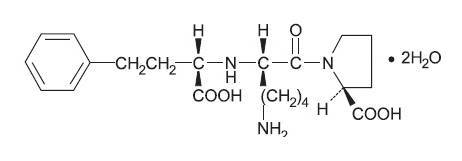
Many of the Lisinopril drug interactions have to do with kidney function. The popular drug can interact with diuretics, NSAIDs, antidiabetic meds, lithium, Losartan, mTOR inhibitors, and injectable gold. See the full Lisinopril interaction facts below.
- Diuretics. Simultaneous use of Lisinopril and diuretics can reduce blood pressure excessively. Reducing the dosage of either medication or increasing salt intake can help.
- NSAIDs and COX-2 Inhibitors. In the elderly, volume-depleted, or those with compromised renal function, the combination of Lisinopril and NSAIDs (including COX-2 inhibitors) can cause renal function deterioration and/or failure.
- Antidiabetics. Lisinopril can conflict with some antidiabetic medicines like insulin or oral hypoglycemic agents, causing risk of hypoglycemia.
- Lithium. Taking Lisinopril with lithium can cause lithium toxicity. When administering both drugs, monitor serum lithium levels.
- Dual Blockade of the RAS. Losartan can conflict with Lisinopril, causing acute kidney injury and hyperkalemia, with no increased benefit from dual therapy.
- mTOR Inhibitors. Lisinopril may conflict with mTOR inhibitors, causing elevated risk of angioedema.
- Gold. Injectable gold can interact with Lisinopril, causing nitritoid reactions with symptoms like nausea, vomiting, facial flushing and hypotension.
Lisinopril Contraindications
Lisinopril is contraindicated for patients with:
Angioedema, either Idiopathic or hereditary.
A history of angioedema (or history of hypersensitivity connected with previous ACE inhibitor use).
Who Should NOT Take Lisinopril?
Lisinopril is safe for the vast majority of patients. However, certain groups face significantly elevated risks and should either avoid the medication entirely or be monitored with particular care.
Who should NOT take lisinopril:
- Pregnant women or those planning to become pregnant. Lisinopril causes fetal toxicity, particularly in the second and third trimester, and can cause serious harm to fetal kidney development. If pregnancy is detected while taking lisinopril, discontinue immediately.
- Patients with a history of angioedema. Anyone who has experienced angioedema from any ACE inhibitor, or idiopathic/hereditary angioedema, should not take lisinopril.
- Patients with high blood potassium (hyperkalemia). Lisinopril can further elevate potassium levels, creating dangerous cardiac risk.
- Patients with bilateral renal artery stenosis. Lisinopril can cause acute kidney failure in this population. See the kidney section below for full details.
Who should use lisinopril with caution and close monitoring:
Nursing mothers: Lisinopril passes into breast milk. Discuss risks with your physician before continuing the medication while breastfeeding.
Patients with chronic kidney disease (CKD): Lisinopril can be both protective and harmful depending on the stage and cause of CKD. Regular creatinine and potassium monitoring is required.
Patients with liver disease: ACE inhibitors can cause hepatic failure. Baseline liver function tests are recommended.
Patients on diuretics: Risk of severe hypotension is elevated. Dose adjustment of one or both medications may be necessary.
Diabetic patients: Higher risk of hypoglycemia (especially in the first month) and hyperkalemia.
Lisinopril Side Effects: Common, Serious, and Rare
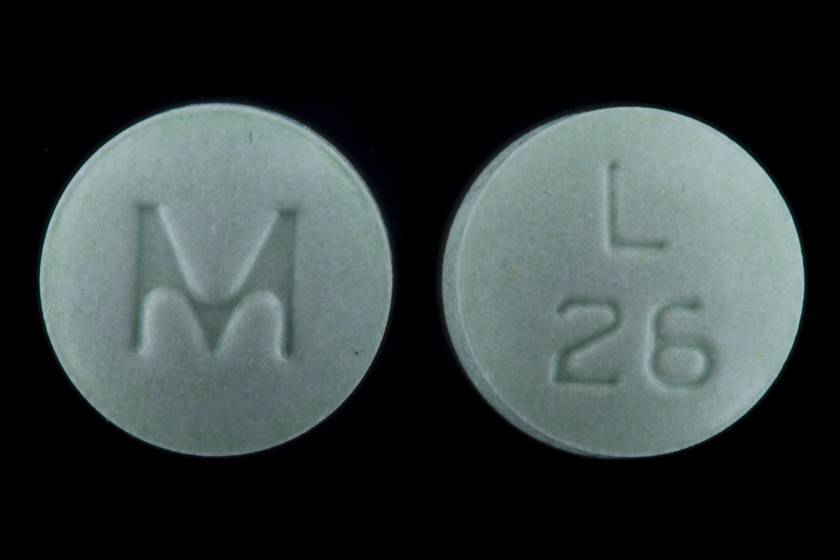
Lisinopril side effects concern the liver, kidneys, blood pressure, edema, and anaphylactoid reactions. The drug causes a slightly elevated risk of myocardial infarction. Less serious side effects include fatigue, blurred vision, and mental confusion.
Serious Side Effects
Serious side effects of lisinopril may include:
- Angioedema: Rapid swelling of the face, lips, tongue, throat, or intestines. Requires immediate emergency treatment.
- Acute kidney injury: Especially in patients with pre-existing kidney disease, bilateral renal artery stenosis, or those taking NSAIDs simultaneously.
- Hepatic failure: Rare but serious. Watch for jaundice (yellowing of the skin or eyes), dark urine, or severe fatigue.
- Severe hypotension: Dangerously low blood pressure, most common after the first dose or after a dose increase.
- Hyperkalemia: Elevated blood potassium levels, which can cause dangerous heart rhythm abnormalities.
- Fetal toxicity: Lisinopril can cause serious harm to a developing fetus, particularly in the second and third trimester.
- Anaphylactoid reactions: Severe allergic-type reactions, particularly in patients undergoing dialysis or allergy desensitization.
To reduce the risk of these serious effects, see the Warnings and What to Monitor sections below.
What Is the Biggest Side Effect of Lisinopril?
The most clinically significant side effect of lisinopril is angioedema – a rapid swelling of the face, lips, tongue, or throat that can obstruct the airway and requires immediate emergency care. While rare (affecting less than 1% of patients), it can be life-threatening and is considered a medical emergency.
The most common side effect is a persistent dry cough, affecting 5-20% of patients. Unlike most other side effects, the cough is not dose-dependent – meaning it occurs at the same rate whether you take 5 mg or 40 mg. This is the leading reason patients discontinue lisinopril, and switching to an ARB (angiotensin receptor blocker) like losartan typically resolves it.
If you experience sudden swelling of the face, lips, tongue, or throat at any point while taking lisinopril, stop the medication and seek emergency care immediately.
Lisinopril 20 mg Side Effects: Does Dosage Change the Risk?
Lisinopril 20 mg is a mid-range therapeutic dose – higher than the typical 10 mg starting dose but well below the 40 mg maximum. Yes, dosage affects your side effect risk, but the type of side effects at 20 mg is largely the same as at lower doses. What changes is the intensity and likelihood of certain effects, particularly low blood pressure (hypotension), elevated potassium (hyperkalemia), and kidney stress.
The dose-response relationship works like this: at higher doses, lisinopril blocks the ACE enzyme more aggressively, producing a stronger blood pressure reduction. This stronger effect narrows the margin for side effects – if your blood pressure was already borderline low, 20 mg creates more risk than 10 mg would.
How side effect risk compares by dose:
| Side Effect | At 10 mg | At 20 mg | Who’s Most at Risk |
|---|---|---|---|
| Low blood pressure (hypotension) | Mild risk | Moderate risk | Dialysis patients, those on diuretics, elderly |
| High potassium (hyperkalemia) | Mild risk | Moderate risk | Diabetics, those with reduced kidney function |
| Dry cough | Same at any dose | Same at any dose | Anyone – not dose-dependent |
| Dizziness / lightheadedness | Mild | More common | Those new to 20 mg or recently dose-increased |
| Kidney stress (elevated creatinine) | Low | Moderate | Those with pre-existing kidney disease |
| Angioedema | Rare | Rare | Not significantly dose-dependent |
Important: The dry cough and angioedema – the two most commonly feared side effects – are NOT significantly dose-dependent. If you’re experiencing a persistent cough at 20 mg, reducing back to 10 mg is unlikely to resolve it. The cough is a class effect of all ACE inhibitors, not a dose-related effect.
If your doctor recently increased your dose from 10 mg to 20 mg, some temporary dizziness when standing up quickly (orthostatic hypotension) is expected during the first 1-2 weeks of adjustment. This usually improves as your body adapts. If dizziness is severe, persists beyond two weeks, or is accompanied by fainting, contact your prescriber.
Patients who should be especially cautious at 20 mg:
- Adults over 65: More sensitive to blood pressure drops; increased fall risk from dizziness
- Patients with diabetes: Higher baseline risk of hyperkalemia, amplified at higher doses
- Patients with chronic kidney disease: Kidney stress effects are more pronounced; creatinine monitoring is essential after any dose increase
- Patients on diuretics (water pills): Combining lisinopril 20 mg with diuretics significantly increases hypotension risk
- Patients with low sodium levels (hyponatremia): Risk of severe blood pressure drop is elevated
At 20 mg, your doctor should schedule blood tests within 2-4 weeks of the dose increase to check serum creatinine and BUN (kidney function), serum potassium, and blood pressure readings both seated and standing. If follow-up labs haven’t been scheduled after your dose increase, proactively request them – this is standard monitoring protocol.
How to Take Lisinopril
Take Lisinopril in the exact way your doctor prescribed it. Follow the instructions on the prescription label. Never take more or less of this med than prescribed, or for longer or shorter periods.
Take each dose with a full glass of water, with or without food. Make sure your blood pressure is checked often while taking Lisinopril, and drink plenty of water.
Don’t stop taking the drug if you feel better. In the event you need surgery, tell the surgeon you’re taking Lisinopril. Always store it in a dry place at room temperature.
Lisinopril and alcohol should not be mixed because when ACE inhibitors such as Lisinopril and alcohol are combined, they can cause dangerously low blood pressure. When taking Lisinopril, it is, therefore recommended to avoid alcohol.
How to Dispose of Lisinopril
As always, dispose of unused or expired medications like Lisinopril by transferring them to the appropriate medical waste disposal container. Then dispose of the drug in compliance with local and Federal laws.
To ensure compliance, work with a reliable partner. MedPro Waste Disposal has the expertise to handle any medical waste disposal task reliably, and the low, predictable rates to save real money for any private practice. Want to see how much you could be saving? See this handy savings calculator.
Precautions
Lisinopril is a powerful ACE inhibitor that’s very effective in lowering blood pressure. For most patients, it’s relatively safe to take. However, paying attention to the facts below will help mitigate the risk of its potentially serious side effects and reactions.
- Monitoring patients on Lisinopril is vital. That’s because the drug can cause kidney and liver problems, lower blood pressure, and cause angioedema and anaphylactoid reactions. Doctors should monitor renal function, serum potassium, and blood pressure. Patients should also be observed for signs of angioedema or anaphylaxis.
- Avoid drinking alcohol with Lisinopril, since it can lower your blood pressure further and increase some side effects. Also avoid dehydration and taking potassium supplements.
- Make sure to drink plenty of water while taking this medication.
- Diabetics who take Lisinopril should monitor closely for hypoglycemia, especially for the first month.
- Pregnancy. Don’t take Lisinopril if you are pregnant or might become pregnant. If you become pregnant, stop taking the drug right away.
- If you notice facial swelling, trouble breathing, intestinal discomfort, or light-headedness, tell your doctor right away.
- Patients who are unstable after an acute myocardial infarction should avoid taking Lisinopril.
Missed Doses
If you miss a dose of Lisinopril, take it when you remember it. Skip the missed dose only if your next scheduled dose is due. Don’t take an extra dose to make up for a missed dose.
Overdose
If you overdose on Lisinopril, seek emergency medical care right away, or call the Poison Control Center’s Help Line at 800-222-1222.
Dosage Information

Dosage for Lisinopril generally starts at 10 mg per day, then increases to a max of 40 mg per day for adult hypertension. Dosages for adult hypertension, child hypertension, Myocardial Infarction, and congestive heart failure all differ.
Hypertension Dosage
For hypertension, adults should start at 10 mg once daily. If on a diuretic, cut the dose to 5 mg. Dosage can increase up to 40 mg per day based on results. For pediatric patients, dosage is 0.07 mg/kg, to a max of 5 mg once a day.
Myocardial Infarction Dosage
The dose for Acute Myocardial Infarction (MI) is 5 mg in the first 24 hours, then 5 mg in the next 24 hours, then 10 mg once per day.
Heart Failure Dosage
Adult patients with heart failure should start with a dose of 5 mg once a day. If hyponatremia is present, cut the dose to 2.5 mg once per day. Increase dosage as tolerated up to a max of 40 mg once per day.
Dosage for Patients with Renal Impairment
For patients with creatinine clearance of 10-30 mL/min, cut the first dose in half. For those with creatinine clearance less than 10 mL/min, cut the initial dose to 2.5 mg once per day.
Storage
Store Lisinopril at room temperature (59°-86°F or 15°-30°C). Keep it away from heat and moisture and dispense it in a tight container.
Lisinopril Recalls
There have been six significant recalls of Lisinopril from 2012 through 2017, and 29 total FDA recalls of the popular generic. The biggest was the 2015 recall affecting 1.4 million bottles of the drug from Wockhardt Pharmaceuticals.
Other companies involved in recalls of the medication include Lupin Pharmaceuticals, Accord Healthcare, Qualitest, Sandoz, AidaPak, Attix, Aurobindo Pharma, West-ward, Mylan, and GSMS.
For more detailed facts on all Lisinopril recalls, see this post.
Manufacturers of Lisinopril
The FDA approved the use of Lisinopril for hypertension in 1987. It entered generic status in 2002. With the combination of its popularity and long-time status as a generic drug, dozens of manufacturers make and market it.
Here’s a short list of Lisinopril manufacturers:
- Astra-Zeneca Pharma India
- Aurobindo Pharma
- Gulf Oil Corporation
- Lee Pharma
- Cardinal Health
- Major Pharmaceuticals
- Blenhiem Pharmacal
- Direct Rx
- Rxchange
- Northwind Pharmaceuticals
Lisinopril Alternatives
There are several other ACE inhibitors available in the U.S. as alternatives to Lisinopril. These substitutes all provide the same function of inhibiting the angiotensin-converting enzyme.
All ACE inhibitors work to lower blood pressure by inhibiting the ACE enzyme, with the result that the blood vessels dilate. Some other common ACE inhibitors are:
- Captopril
- Benazepril
- Moexipril
- Enalapril
- Quinapril
- Perindopril
- Trandolapril
- Ramipril
Conclusion
Lisinopril is a popular generic drug of the ACE Inhibitor class. It works to lower blood pressure by blocking the ACE enzyme, thus allowing blood vessels to dilate. It’s used to manage hypertension in patients over six years old, and to help stable patients recover after a myocardial infarction, and to treat congestive heart failure.
It has several serious side effects, including kidney problems, liver problems, low blood pressure, and angioedema of the head, neck, and intestines. Because of this, careful monitoring is required when using this medication. The article above provides the full range of Lisinopril facts.
Want more great info for your medical practice? Here’s a tip: find out how much money you could save on biohazard waste disposal with MedPro Waste Disposal’s handy savings calculator. MedPro provides predictable service at low, stable rates, plus HIPAA compliance training to lower your risk.
Source: Merck Product Circulars.