
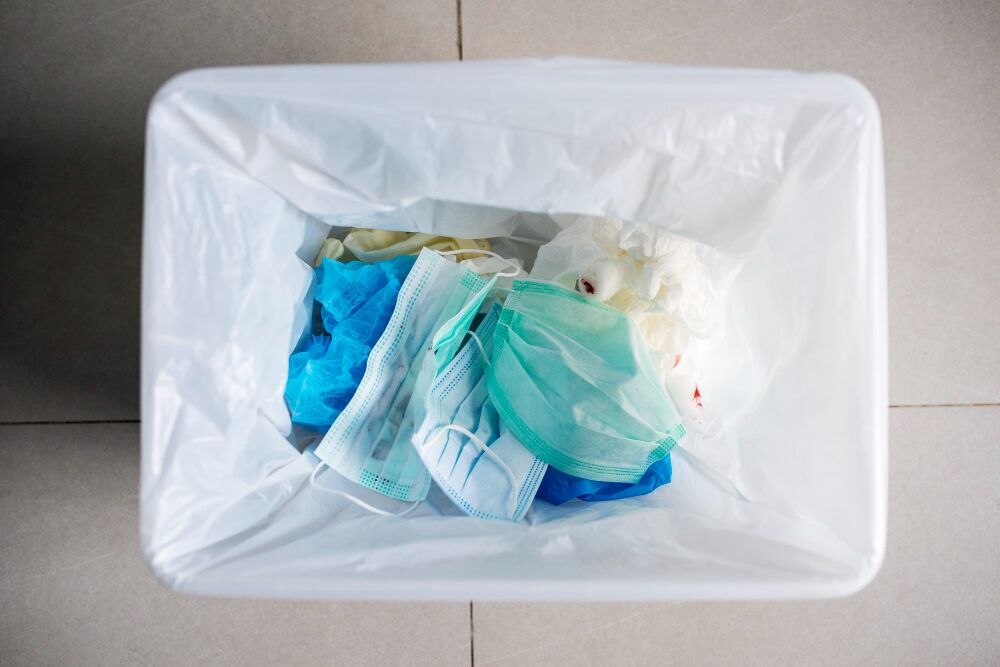
When your healthcare organization grows, so does your medical waste. And if your disposal protocols haven’t kept pace, you could be one inspection away from a serious compliance violation.
Implementing the right medical waste disposal best practices isn’t just about avoiding fines. It’s about protecting your staff, your patients, and the communities you serve. Whether you’re running a single clinic or expanding into multiple locations, this guide walks you through exactly what you need to know.
Key Takeaway: Growing healthcare organizations face compounding compliance risk as waste volume increases. A scalable, documented disposal system is the single most important thing you can put in place before your next phase of growth.
What Counts as Medical Waste?
Before you can manage medical waste properly, you need to know exactly what qualifies. The CDC defines regulated medical waste as any waste generated during the diagnosis, treatment, or immunization of humans or animals.
In practical terms, that covers a wide range of materials your facility likely handles every day.
Categories of Regulated Medical Waste
- Sharps waste: Needles, syringes, scalpels, lancets, and any item capable of puncturing skin
- Infectious waste: Materials contaminated with blood or other potentially infectious materials (OPIM), including cultures and stocks of infectious agents
- Pathological waste: Human tissues, organs, and body parts removed during surgery or autopsy
- Pharmaceutical waste: Expired, unused, or contaminated medications, including controlled substances
- Chemotherapy waste: Gloves, tubing, and other items exposed to chemotherapy agents
- Trace chemotherapy waste: Items with residual chemo agents (handled under separate protocols)
Why this matters for growing organizations: As you add new service lines, such as infusion therapy, surgical suites, or behavioral health, new waste categories enter your stream. Your disposal protocols need to evolve with your services, not lag behind them.
Federal and State Regulations You Must Know
Medical waste regulation in the US operates on two levels: federal and state. Understanding both is non-negotiable for any healthcare facility.
Federal Oversight
Three federal agencies share jurisdiction over medical waste:
| Agency | What They Regulate |
|---|---|
| OSHA | Worker safety, bloodborne pathogen exposure (29 CFR 1910.1030) |
| EPA | Disposal methods, environmental impact, hazardous waste under RCRA |
| DOT | Transportation of regulated medical waste (packaging, labeling, manifests) |
OSHA’s Bloodborne Pathogens Standard requires every healthcare employer to maintain an Exposure Control Plan, provide PPE, and train staff annually. Non-compliance carries fines up to $16,131 per violation, and willful violations can reach $161,323.
State-Level Rules Add Another Layer
Here’s where it gets complicated. Each state has its own medical waste regulations, and they vary significantly. Some states follow the federal framework closely; others impose stricter container requirements, manifest rules, or treatment standards.
Bottom line: If you’re expanding across state lines, you need to verify compliance requirements in every new location before you open your doors. Working with a national medical waste disposal company that knows state-specific rules is one of the fastest ways to close that gap.
Medical Waste Disposal Best Practices for Healthcare Organizations
This is the core of what separates compliant, well-run facilities from those that end up on a regulator’s radar. These medical waste disposal best practices apply whether you’re a 5-provider clinic or a multi-site healthcare network.
1. Segregate Waste at the Point of Generation
The single most important step happens right at the source. Staff must sort waste into the correct containers the moment it’s generated, not after the fact.
- Red bags for infectious and pathological waste
- Rigid, puncture-resistant sharps containers for all sharps
- Black or blue containers for pharmaceutical waste
- Yellow containers for chemotherapy waste
Mixing waste categories is one of the most common and costly compliance errors. It can turn non-hazardous waste into regulated waste, dramatically increasing your disposal costs and liability.
2. Use Properly Labeled, Compliant Containers
Every container must meet DOT and state specifications for labeling, color-coding, and fill levels. Sharps containers should never be filled beyond the indicated fill line. Overfilled containers are a needlestick hazard and a direct OSHA violation.
3. Train Every Staff Member, Not Just Clinical Teams
Compliance breaks down when training stops at nurses and physicians. Front desk staff, custodians, and administrative personnel all interact with waste streams in some capacity. Annual bloodborne pathogen training is federally required under OSHA, and it needs to reach every employee.
4. Maintain Accurate Waste Manifests and Records
Every time regulated medical waste leaves your facility, it needs to be tracked with a proper manifest. Keep copies of all manifests and disposal records for a minimum of three years (some states require longer). These records are your first line of defense in an audit.
5. Schedule Regular Pickups Based on Waste Volume
Waste should never accumulate beyond your storage capacity or sit longer than your state allows (typically 30 to 90 days depending on the state and waste type). As your patient volume grows, your pickup frequency needs to grow with it.
Expert Insight: One of the most overlooked medical waste management solutions for healthcare facilities is a scheduled, volume-based service agreement. Rather than calling for pickup reactively, proactive scheduling prevents overflow situations that can trigger regulatory scrutiny.
How to Manage Medical Waste in a Growing Healthcare Organization
Scaling a healthcare organization introduces waste management complexity that flat-line operations never face. Here’s how to manage medical waste in a growing healthcare organization without letting compliance slip through the cracks.
Build a Compliance Infrastructure Before You Need It
The biggest mistake growing clinics make is treating compliance as reactive. By the time a second location opens, you should already have:
- A written Exposure Control Plan updated to reflect new services
- A designated compliance officer or point of contact for waste management
- A service agreement with a licensed medical waste disposal company that can scale with you
- Documented staff training records for every employee at every site
Centralize Your Waste Management Vendor Relationships
Managing multiple disposal vendors across locations creates inconsistency, missed pickups, and documentation gaps. A single, national medical waste disposal company for growing clinics provides uniform service standards, consolidated invoicing, and one point of contact for compliance questions.
Conduct Internal Waste Audits Quarterly
You don’t need to wait for a regulatory inspection to find problems. A quarterly internal audit of your waste segregation, container labeling, storage areas, and manifest records will surface issues before they become violations. Assign this responsibility to a specific person, not a general “team.”
Pro Tip: Use your audit findings to update staff training. If you keep finding improperly filled sharps containers in a specific department, that’s a training gap, not just a compliance gap.
Common Mistakes Healthcare Facilities Make With Medical Waste
Even experienced healthcare teams fall into these traps. Knowing them in advance is the easiest way to avoid them.
Mistake 1: Treating All Waste as General Trash
Disposing of regulated medical waste in regular trash bins is not just a compliance violation; it’s a public health risk. Staff need clear, visible signage and container placement to make the right choice the easy choice.
Mistake 2: Overfilling Sharps Containers
This is one of the most cited OSHA violations in healthcare settings. Overfilled containers expose staff to needlestick injuries, which can lead to serious bloodborne pathogen exposure. Replace containers at the three-quarters full mark, not when they’re overflowing.
Mistake 3: Skipping the Manifest
Some facilities skip or lose track of waste manifests, especially during busy periods. This creates a documentation gap that’s very difficult to explain during an audit. Manifests must be completed, signed, and retained.
Mistake 4: Assuming One Policy Fits All Locations
If you operate in multiple states, a single waste policy may not meet every state’s requirements. What’s compliant in Texas may not be compliant in California. Always verify state-specific rules for each location.
Mistake 5: Delaying Vendor Upgrades as Volume Grows
Many growing facilities stick with their original disposal vendor long after their waste volume has outgrown the service agreement. This leads to overflow, delayed pickups, and compliance gaps. Revisit your service agreement every time your patient volume increases significantly.
Choosing the Right Medical Waste Disposal Company for Growing Clinics
Not all medical waste disposal services for healthcare organizations are created equal. When you’re evaluating providers, here’s what actually matters.
What to Look for in a Medical Waste Disposal Partner
| Factor | Why It Matters |
|---|---|
| Licensing and certifications | Verify the company holds all required state and federal permits |
| Service scalability | Can they handle increased volume as you grow? |
| Compliance support | Do they provide training, documentation, and audit assistance? |
| National coverage | Critical if you’re expanding to new states |
| Transparent pricing | Affordable medical waste disposal services for healthcare providers shouldn’t come with hidden fees |
| Pickup reliability | Missed pickups create storage overflow and compliance risk |
Questions to Ask Before You Sign a Contract
- Are you licensed to operate in every state where my facilities are located?
- What happens if I need to increase pickup frequency mid-contract?
- Do you provide waste manifests and documentation for our records?
- What compliance training or support do you offer?
- How do you handle pharmaceutical and chemotherapy waste specifically?
A reputable medical waste disposal company will answer all of these confidently and in writing. If a vendor hesitates on licensing or documentation questions, that’s a red flag.
Pro Tip: Look for a provider that offers a compliance consultation before you sign. The best vendors assess your specific waste streams and recommend a service plan built around your actual needs, not a one-size-fits-all package.
Frequently Asked Questions
What are the medical waste disposal best practices for small and growing clinics?
The core best practices are: segregate waste at the point of generation, use properly labeled and compliant containers, train all staff annually, maintain accurate waste manifests, and schedule pickups based on your actual waste volume. As your clinic grows, revisit each of these practices to ensure they scale with your operations.
How do I know if my healthcare organization is compliant with medical waste regulations?
Start with an internal audit of your waste segregation, container labeling, storage areas, and manifest records. Compare your practices against OSHA’s Bloodborne Pathogens Standard (29 CFR 1910.1030) and your state’s specific medical waste regulations. If you’re unsure, a licensed medical waste disposal company can often provide a compliance assessment.
What is the difference between infectious waste and hazardous waste?
Infectious waste includes materials contaminated with blood or pathogens, such as used sharps, soiled dressings, and lab cultures. Hazardous waste refers to chemical or pharmaceutical materials regulated under the EPA’s Resource Conservation and Recovery Act (RCRA), such as certain medications and chemotherapy agents. Many healthcare facilities generate both, and they must be handled under separate protocols.
How often should a growing healthcare facility schedule medical waste pickups?
Pickup frequency depends on your waste volume and state regulations. Most states require that regulated medical waste not be stored for more than 30 to 90 days. As a general rule, schedule pickups before your storage containers reach capacity. High-volume facilities may need weekly or biweekly service. Work with your disposal provider to set a schedule based on your actual generation rate.
Are there affordable medical waste disposal services for smaller healthcare providers?
Yes. Many licensed providers offer tiered pricing based on waste volume, making it possible for smaller clinics and growing practices to access professional medical waste disposal services without overpaying. The key is to look for transparent, volume-based pricing with no hidden fees, and to avoid contracts that lock you into service levels that don’t match your current needs.
Conclusion
Medical waste compliance isn’t a one-time checkbox. It’s an ongoing operational responsibility that grows more complex as your organization grows.
The good news is that the fundamentals are straightforward: know your waste categories, follow federal and state regulations, train your team, document everything, and partner with a disposal provider that can scale with you. Get those five things right, and you’ll be ahead of most facilities.
The biggest risk for growing healthcare organizations isn’t a single compliance failure. It’s the slow drift that happens when waste volume outpaces your protocols. Stay ahead of it by treating medical waste disposal best practices as a living system, not a static policy.
If you’re looking for reliable, affordable medical waste disposal services for healthcare providers that scale with your growth, MedPro Disposal is here to help. We work with clinics, multi-site practices, and healthcare networks across the US to build customized waste management plans that keep you compliant at every stage.
Contact MedPro Disposal today for a free consultation and a service plan built around your specific needs.


