
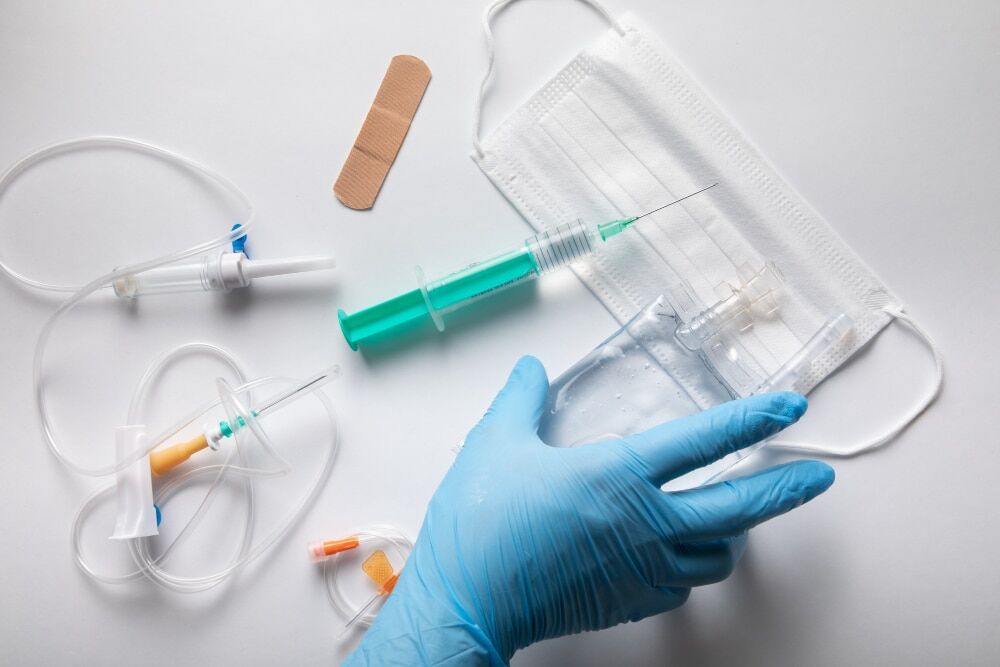
If your facility is still managing sharps waste through outdated, patchwork systems, you’re not just creating extra work for your staff — you’re exposing your organization to serious regulatory and safety risks. Sharps injuries remain one of the most preventable hazards in healthcare, yet the CDC estimates that 385,000 needlestick and sharps-related injuries occur among healthcare workers in the US every year.
The good news? Knowing how healthcare facilities can simplify sharps waste management is half the battle. With the right processes, containers, and disposal partners in place, you can protect your staff, stay compliant, and cut down on the administrative headache — all at the same time.
This guide breaks down exactly what that looks like in practice.
Why Sharps Waste Management Matters for Healthcare Facilities
Sharps waste isn’t just a housekeeping issue. It’s a regulated category of medical waste governed by federal agencies including OSHA, the EPA, and DOT, as well as individual state health departments. Non-compliance can result in steep fines, failed inspections, and in serious cases, facility shutdowns.
Beyond the regulatory angle, there’s a human cost. A single needlestick injury can expose a healthcare worker to bloodborne pathogens like HIV, Hepatitis B, and Hepatitis C. The anxiety, testing, and potential treatment that follows is a burden no employee should face because of a preventable gap in your disposal system.
The bottom line: A well-managed sharps program protects people first, and your organization second.
What Counts as Sharps Waste?
Before you can manage it properly, your team needs to agree on what falls under the sharps waste category. Common examples include:
- Hypodermic needles and syringes
- Lancets and finger-stick devices
- IV catheters and needles
- Scalpel blades
- Broken glass from medical containers
- Insulin pens and auto-injectors
- Phlebotomy needles
Any item capable of puncturing skin and potentially carrying infectious material should be treated as sharps waste, regardless of whether it was visibly used.
Step-by-Step: How to Simplify Your Sharps Disposal System
Simplifying your sharps program doesn’t mean cutting corners. It means building a system that’s consistent, easy for staff to follow, and easy for administrators to manage. Here’s how to do it.
Step 1: Conduct a Waste Assessment
Start by understanding the volume and types of sharps your facility generates. Walk each department and document:
- Which sharps items are being used and in what quantities
- Where sharps are currently being discarded
- Whether existing containers are the right size and placement for each area
This baseline gives you the data to right-size your container program and avoid overpaying for capacity you don’t need.
Step 2: Choose the Right Containers for Each Area
Not every area needs the same container. A high-volume phlebotomy lab has very different needs than a single-exam-room primary care office. FDA-cleared sharps containers are required for all regulated medical waste, and they come in a range of sizes from small countertop units to large floor-standing models.
Key selection criteria:
- Puncture-resistant walls and a secure lid
- Clear fill-line indicator (typically at the 3/4 mark)
- Leak-proof base
- One-handed operation where possible (critical in clinical settings)
- Appropriate size for the volume generated in that specific area
Step 3: Standardize Your Collection Points
One of the most effective ways to reduce sharps injuries is to eliminate the distance between where a sharp is used and where it’s disposed. The CDC recommends placing containers as close to the point of use as possible.
Practically, this means:
- Mounting wall brackets in exam rooms at a height accessible to staff of varying heights
- Placing mobile containers on procedure carts
- Installing countertop units in medication prep areas
- Positioning floor-standing containers in high-volume treatment areas
Step 4: Set a Container Replacement Schedule
Overfilled containers are one of the leading causes of needlestick injuries. Rather than waiting for staff to notice a full container, build a proactive replacement schedule based on your volume data from Step 1.
Most facilities find that a scheduled sharps container pickup service for healthcare facilities removes the guesswork entirely. Your provider manages the rotation on a set cadence, so containers never reach the overfill line.
Step 5: Train Staff and Document Everything
Compliance isn’t just about having the right containers. It’s about proving your staff knows how to use them. OSHA’s Bloodborne Pathogens Standard (29 CFR 1910.1030) requires annual training for all workers who may be exposed to bloodborne pathogens.
Training should cover:
- Proper one-handed recapping prohibition
- How to identify a full container
- What to do after a needlestick injury
- Facility-specific disposal protocols
Keep signed training records. In an audit, documentation is everything.
Common Sharps Waste Management Mistakes in Healthcare
Even well-intentioned facilities fall into predictable traps. Recognizing these common sharps waste management mistakes in healthcare can save you from a costly compliance failure or, worse, a preventable injury.
Mistake 1: Using Containers That Are Too Small
It seems like a minor detail, but undersized containers fill up faster than staff anticipate. When a container hits the fill line mid-shift and no replacement is immediately available, staff improvise. That improvisation is where injuries happen.
Fix it: Match container size to actual usage volume, not to what fits neatly on a counter.
Mistake 2: Placing Containers Too Far from the Point of Use
If a nurse has to walk across a room to dispose of a needle, the risk of an accidental stick increases significantly. Distance is a safety hazard.
Fix it: Audit your floor plan and add container locations wherever sharps are routinely handled.
Mistake 3: Waiting Too Long for Pickup
Facilities that don’t have a scheduled pickup arrangement often wait until containers are visibly full before calling for collection. By then, overfilling is already a risk.
Fix it: Establish a regular sharps container pickup schedule with your disposal provider, even if containers aren’t always completely full at pickup time.
Mistake 4: Mixing Sharps with Other Medical Waste
Sharps require separate, puncture-resistant containers. Placing them in regular red bag waste creates puncture risks for downstream waste handlers and can result in regulatory violations.
Fix it: Train all staff on proper segregation. Post visual reminders at every disposal point.
Mistake 5: Skipping Annual Training
OSHA compliance requires documented annual bloodborne pathogen training. Many smaller clinics let this slip, especially during high-turnover periods.
Fix it: Build training into your annual HR calendar and tie it to license renewal or performance reviews so it never gets skipped.
Expert insight: Facilities that treat sharps disposal as a compliance checkbox rather than a safety culture issue tend to have higher incident rates. The goal isn’t just to pass an audit. It’s to make sure nobody gets hurt on your watch.
How to Choose the Right Sharps Waste Disposal Services for Your Healthcare Facility
Not all sharps waste disposal services for healthcare providers are created equal. Choosing the wrong vendor can leave you with inconsistent pickups, surprise fees, and a compliance gap you won’t discover until an inspector shows up.
Here’s what to look for when evaluating providers.
Licensing and Regulatory Compliance
Your disposal partner must be licensed to transport and treat regulated medical waste in your state. Ask for proof of their state permits and verify they operate under a DOT-compliant manifest system. Any reputable provider should hand this documentation over without hesitation.
Service Flexibility
A small urgent care clinic generates very different waste volumes than a multi-specialty hospital system. Look for a provider that offers:
- Multiple container sizes and configurations
- Flexible pickup schedules (weekly, bi-weekly, monthly, or on-call)
- Mail-back options for very low-volume locations
- Scalable pricing as your volume changes
Certificate of Destruction
Every pickup should come with documentation. A certificate of destruction or treatment confirms that your waste was handled and disposed of in accordance with applicable regulations. This is your paper trail in the event of an audit.
Transparent, Predictable Pricing
One of the biggest complaints facilities have about their current disposal vendor is unexpected fees. Fuel surcharges, container rental fees, and minimum weight charges can inflate your actual cost well beyond the quoted rate.
When evaluating cost-effective sharps disposal solutions for clinics, ask providers to give you a full fee breakdown in writing before you sign anything.
Local Knowledge and Responsive Support
State regulations for sharps disposal vary, and they change. Your provider should be familiar with the rules in your specific state and proactively notify you of any regulatory updates that affect your program.
Pro Tips for Cost-Effective Sharps Disposal
Managing sharps waste doesn’t have to be expensive. These practical strategies help facilities reduce costs without compromising safety or compliance.
Pro Tip 1: Right-size your containers. Oversized containers that are never filled to capacity mean you’re paying for disposal volume you’re not generating. Conduct a quarterly review and adjust container sizes to match actual usage.
Pro Tip 2: Consolidate vendors. If you’re using one company for sharps, another for pharmaceutical waste, and a third for biohazard bags, you’re almost certainly paying more than you need to. A single medical waste partner that handles all regulated waste categories typically offers bundled pricing that’s 15-25% lower than managing vendors separately.
Pro Tip 3: Use scheduled pickups, not on-call. On-call or “call when full” arrangements sound flexible, but they often come with premium per-pickup fees. A scheduled cadence is almost always more cost-effective for facilities with predictable waste volumes.
Pro Tip 4: Ask about mail-back programs. For satellite offices, mobile units, or very low-volume locations, mail-back sharps container programs can be significantly cheaper than arranging local pickup service.
Pro Tip 5: Audit your program annually. Waste volumes change as your patient census changes. An annual review of container sizes, pickup frequency, and total spend ensures you’re not paying for a program that no longer matches your actual needs.
Best Practices Summary: Sharps Waste Management for Healthcare Facilities
Here’s a quick-reference checklist of the best practices covered in this guide. Use this as a starting point for an internal audit of your current program.
| Best Practice | Status Check |
|---|---|
| Containers placed at point of use | Are they within arm’s reach in every procedure area? |
| Correct container sizes in use | Are they matched to actual volume, not just available space? |
| Scheduled pickup cadence in place | Do you have a set pickup schedule, not just on-call? |
| Staff trained annually (documented) | Are signed training records on file for all eligible staff? |
| Sharps segregated from other waste | Are staff clear on what goes where? |
| Certificate of destruction received | Do you receive documentation for every pickup? |
| Vendor pricing reviewed annually | Have you compared your current rates in the last 12 months? |
If you’re checking “no” or “unsure” on more than two of these, your program likely has gaps worth addressing before your next inspection.
Frequently Asked Questions
What is the correct way for healthcare facilities to dispose of sharps waste?
Healthcare facilities must dispose of sharps waste in FDA-cleared, puncture-resistant containers that are sealed when full and collected by a licensed medical waste disposal provider. Containers should be placed at the point of use and never overfilled beyond the indicated fill line. All disposal must comply with OSHA’s Bloodborne Pathogens Standard and applicable state regulations.
How often should sharps containers be picked up at a healthcare facility?
Pickup frequency depends on your facility’s waste volume. High-volume facilities such as hospitals or dialysis centers may require weekly pickup, while small clinics may only need monthly service. The key is to establish a scheduled sharps container pickup service for healthcare facilities that ensures containers are never overfilled, regardless of the cadence.
What are the most common sharps waste management mistakes in healthcare?
The most common sharps waste management mistakes in healthcare include using undersized containers, placing containers too far from the point of use, waiting until containers are overfull before requesting pickup, mixing sharps with other medical waste streams, and failing to document annual staff training. Each of these mistakes creates either a safety risk, a compliance violation, or both.
Are there cost-effective sharps disposal solutions for small clinics?
Yes. Small clinics have several cost-effective sharps disposal solutions available, including mail-back container programs, consolidated medical waste vendor arrangements, and right-sized container programs that match your actual waste volume. Bundling sharps disposal with other regulated waste services through a single provider often delivers the best overall pricing.
What regulations govern sharps waste disposal for healthcare providers?
Sharps waste disposal for healthcare providers is regulated at both the federal and state level. Key federal frameworks include OSHA’s Bloodborne Pathogens Standard (29 CFR 1910.1030), EPA guidelines under RCRA, and DOT hazardous materials transport regulations. State health departments also impose their own rules, which can be stricter than federal minimums. Always verify compliance requirements with your state agency in addition to federal standards.
Ready to Simplify Your Sharps Waste Program?
Understanding how healthcare facilities can simplify sharps waste management comes down to three things: the right containers in the right places, a consistent pickup schedule, and a disposal partner you can actually rely on.
The facilities that get this right don’t just pass inspections. They build a culture where staff feel safe, where compliance is routine rather than reactive, and where administrators aren’t scrambling every time a container fills up unexpectedly.
At MedPro Disposal, we’ve helped hundreds of healthcare facilities across the US build sharps disposal programs that are safe, compliant, and cost-effective. Whether you’re a solo practice looking for a simple mail-back solution or a multi-location health system that needs a fully managed program, we have the expertise and the infrastructure to support you.
Get a free quote from MedPro Disposal and find out how straightforward sharps waste management can be when you have the right partner in your corner.


