
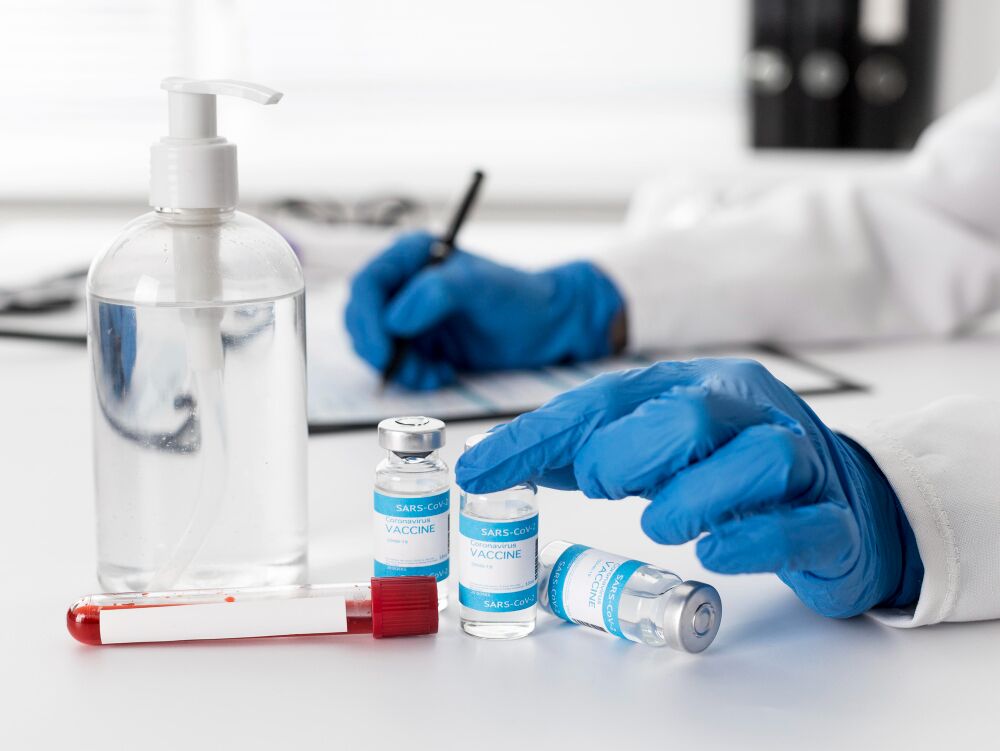
If sharps waste is handled wrong, the risk is bigger than a fine. A good disposal service helps healthcare facilities stay compliant, protect staff, and avoid the kind of regulatory mistakes that turn into real operational headaches.
Why sharps compliance matters
Healthcare facilities deal with needles, lancets, syringes, scalpels, and other items that can injure workers or expose people to bloodborne pathogens. That makes sharps disposal a compliance issue, not just a housekeeping task.
When facilities fail to follow the rules, they can face:
- OSHA citations
- state waste handling violations
- employee injury claims
- exposure incidents
- costly corrective actions
The practical truth is simple: compliant sharps disposal services for healthcare facilities reduce the chance of mistakes because they create a repeatable system. That system matters more than one-time cleanup.
What counts as sharps waste
Sharps are any objects that can puncture skin and may be contaminated with blood or other potentially infectious materials.
Common examples include:
- needles
- syringes with attached needles
- lancets
- scalpels
- broken glass contaminated with blood
- infusion sets with exposed sharps
Facilities sometimes miss items that do not look dangerous at first glance. That is where a medical sharps disposal compliance guide becomes useful. It keeps teams from guessing.
How sharps disposal services help healthcare facilities stay compliant
This is the core issue. If you want to know how sharps disposal services help healthcare facilities stay compliant, it comes down to control, documentation, and consistency.
1. They provide the right containers
Compliance starts with containment. Sharps have to go into approved, puncture-resistant, leak-resistant containers that can be closed and handled safely.
A disposal service usually supplies:
- OSHA-aligned sharps containers
- clear fill-line guidance
- regular replacement schedules
- safe pickup and transport
That reduces the risk of overfilled containers, which is one of the fastest ways to create a compliance problem.
2. They create a predictable pickup schedule
Facilities are most likely to slip when disposal is handled ad hoc. Services solve that by building a routine.
A stable pickup schedule helps healthcare teams:
- avoid container overflow
- prevent storage issues
- reduce handling risk
- keep waste flow documented
If you are looking for how to stay compliant with sharps disposal regulations, consistency is a big part of the answer.
3. They improve documentation
If regulators ask how your facility handles sharps waste, you need records. A disposal partner should help you maintain manifests, service logs, and pickup documentation.
That paper trail matters because it shows:
- what was collected
- when it was collected
- how it was handled
- who transported it
In a compliance review, documentation often matters as much as the disposal process itself.
4. They support staff training
The best disposal system still fails if staff do not use it correctly. Good providers usually help reinforce training so employees know:
- what belongs in a sharps container
- when a container is full
- where containers should be placed
- who to contact if an issue comes up
Training closes the gap between policy and practice. That is a major reason disposal services help with compliance.
5. They reduce exposure risk
Needlestick injuries are a serious concern in hospitals, outpatient centers, clinics, dental practices, and labs. Proper disposal lowers the odds of accidental exposure during handling, movement, and storage.
That safety benefit is also a compliance benefit. Fewer exposures means fewer incidents to report, investigate, and correct.
Sharps disposal requirements for clinics
Sharps disposal requirements for clinics can vary by state and facility type, but the core expectations are usually similar.
Most clinics need to:
- use approved sharps containers
- place containers in accessible areas
- close and replace containers before they are overfilled
- separate sharps from general waste
- follow OSHA and state rules for handling contaminated materials
- keep records of waste pickup and disposal
A lot of clinics get into trouble when they treat sharps disposal like trash removal. It is not. It is a controlled medical waste process.
Healthcare facility sharps waste management tips
If you want practical healthcare facility sharps waste management tips, start here.
Keep containers where sharps are generated
The closer the container is to the point of use, the less likely staff are to carry sharps around unnecessarily.
Replace containers before they hit the fill line
Do not wait until a bin is packed. Overfilled containers create avoidable exposure risk.
Train every new staff member
New hires often make the same mistakes because they do not know local disposal procedures yet.
Audit disposal areas regularly
A quick weekly check can catch overfilled bins, missing lids, or poor container placement before they become violations.
Use one clear process
When every department follows the same rule set, compliance gets much easier to manage.
These small habits are often what separate a facility that stays audit-ready from one that is always scrambling.
Common mistakes that hurt compliance
Even well-run facilities make mistakes. The most common ones are:
- overfilling sharps containers
- using the wrong type of container
- mixing sharps with general waste
- skipping staff training
- poor recordkeeping
- inconsistent pickup schedules
- storing containers in unsafe locations
Most of these problems are preventable. The issue is not usually that staff do not care. It is that the system is too loose.
Best practices for staying audit-ready
If your goal is long-term compliance, build habits that are easy to repeat.
Use a written sharps policy
A policy gives staff a clear standard and gives managers something to enforce.
Assign ownership
Someone should be responsible for checking container placement, pickup schedules, and records.
Track incidents
If a mistake happens, document it and fix the process. That is much better than ignoring it.
Review your provider regularly
A disposal service should be more than a vendor. They should help you maintain compliance, not just move waste.
Keep training current
Annual training is good. Refresher training after process changes is better.
Expert advice: compliance is a system, not a single service
The facilities that stay compliant usually treat sharps disposal as part of a larger waste management process. They do not rely on one policy or one employee to keep everything in line.
That is why the best compliant sharps disposal services for healthcare facilities are the ones that combine:
- containers
- pickup
- documentation
- training
- support
When those pieces work together, compliance becomes much easier to maintain.
FAQ
What is the main purpose of sharps disposal services?
Sharps disposal services help healthcare facilities safely collect, transport, and dispose of sharps waste while supporting compliance with OSHA and state regulations.
How often should sharps containers be replaced?
Containers should be replaced before they reach the fill line or become difficult to close safely. The exact schedule depends on how much sharps waste a facility generates.
Are sharps considered regulated medical waste?
Yes, sharps contaminated with blood or other potentially infectious materials are generally handled as regulated medical waste under applicable federal and state rules.
Why do clinics need professional sharps disposal services?
Professional services help clinics avoid overflow, improve documentation, reduce exposure risk, and stay aligned with sharps disposal requirements for clinics.
What happens if a facility disposes of sharps incorrectly?
Incorrect disposal can lead to OSHA violations, state penalties, staff injuries, and compliance gaps that are expensive and time-consuming to correct.
Conclusion
Sharps disposal is one of those back-end tasks that quietly shapes front-line safety. When healthcare facilities use a reliable disposal partner, they get more than waste removal. They get structure, documentation, safer handling, and a much better shot at staying compliant.
If your facility wants a stronger medical sharps disposal compliance guide or needs help tightening up sharps disposal requirements for clinics, the smartest move is to build a system that staff can actually follow every day.


